
 Contacto
 Cómo comprar

Entrega
Guía de compras
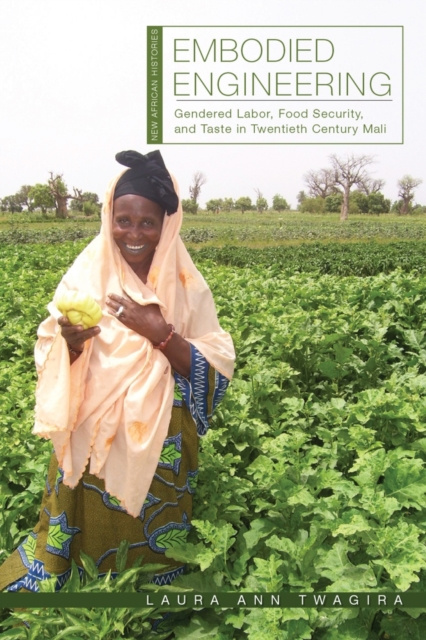
Embodied Engineering
Gendered Labor, Food Security, and Taste in Twentieth-Century Mali
 Inglés
 117 b
 Entrega en Navidad ▾
En stock
Descarga instantánea
Clientes que también han comprado





 /
 Tapa blanda
 34.69
€

 /
Tapa blanda
19.89
€

Foregrounding African womens ingenuity and labor, this pioneering case study shows how women in rural Mali have used technology to ensure food security through the colonial period, environmental crises, and postcolonial rule. By advocating for an understanding of rural Malian women as engineers, Laura Ann Twagira rejects the persistent image of African women as subjects without technological knowledge or access and instead reveals a hidden history about gender, development, and improvisation. In so doing, she also significantly expands the scope of African science and technology studies.Using the Office du Niger agricultural project as a case study, Twagira argues that women used modest technologies (such as a mortar and pestle or metal pots) and organized female labor to create, maintain, and reengineer a complex and highly adaptive food production system. While women often incorporated labor-saving technologies into their work routines, they did not view their own physical labor as the problem it is so often framed to be in development narratives. Rather, womens embodied techniques and knowledge were central to their ability to transform a development project centered on export production into an environmental resource that addressed local taste and consumption needs.


Sobre el libro
Inglés

Regale este libro hoy
Es fácil
1 Añadir al carrito y elegir Entregar como regalo en el checkout 2 Le enviaremos un vale 3 El libro llegará a la dirección del destinatarioTambién puede interesarle








 /
 Adobe ePub DRM
42.69
€


 /
Tapa blanda
13.89
€



¡Hola! Soy Libroamiko, tu asesor de libros.
¿Cómo puedo ayudarte?