
 Contacto
 Cómo comprar
Entrega
Guía de compras
Expanding Work Programs for Poor Men
 Inglés
 182 b
182 b
Clientes que también han comprado



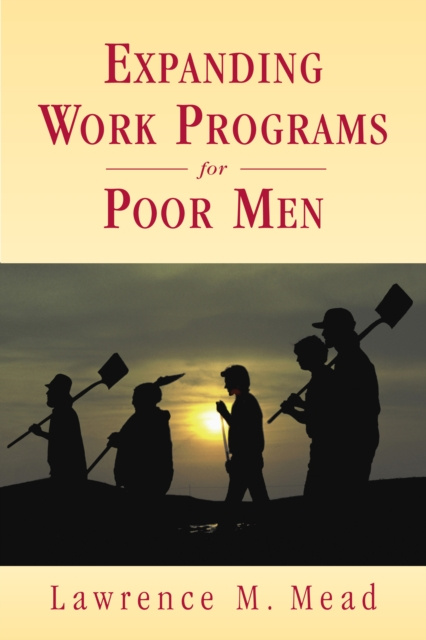
Welfare reform, which required that poor mothers work in return for assistance, was a watershed in the struggle against poverty for American families. As work levels rose dramatically among low-income women, the welfare rolls were cut in half and many families rose out of poverty. But men's employment is also crucial to uplifting families, and programs designed to encourage work among poor men are often poorly funded and little understood by policymakers. Expanding Work Programs for Poor Men makes the case that poor fathers, like poor mothers, need 'both help and hassle.' That is, poor men need more help from the government, but they must also be expected-and required-to help themselves. Drawing on welfare reform as a successful precedent, Lawrence M. Mead explores the psychology of male nonwork and evaluates the successes and failures of existing government programs for poor men, including child support and conditions of parole. These programs have succeeded in increasing work levels among poor men by requiring that they provide income to support their families or maintain a job to avoid returning to prison. Although both programs rely on legal enforcement, they are most effective when enforcement is coupled with incentives. Mead suggests that child support and parole conditions offer a useful model for future men's work programs, which should be mandatory and enforced, but combined with rewards for steady work, such as higher wage subsidies for low-income workers.


Sobre el libro
Inglés
Categorías

Regale este libro hoy
Es fácil
1 Añadir al carrito y elegir Entregar como regalo en el checkout 2 Le enviaremos un vale 3 El libro llegará a la dirección del destinatarioTambién puede interesarle







¡Hola! Soy Libroamiko, tu asesor de libros.
¿Cómo puedo ayudarte?