
 Contacto
 Cómo comprar
Entrega
Guía de compras
 Inglés
 107 b
107 b
Clientes que también han comprado






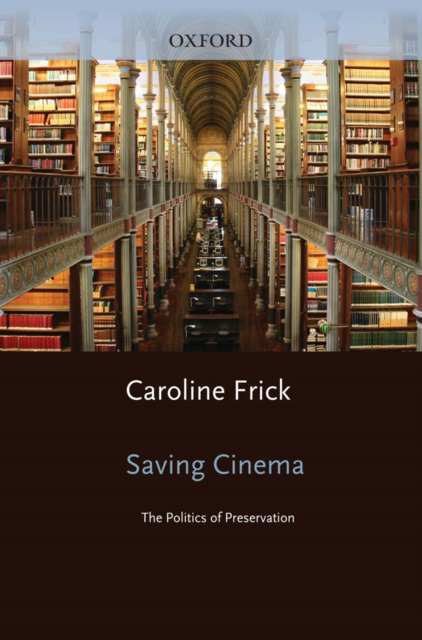
The importance of media preservation has in recent years achieved much broader public recognition. From the vaults of Hollywood and the halls of Congress to the cash-strapped museums of developing nations, people are working to safeguard film from physical harm. But the forces at work aren't just physical. The endeavor is also inherently political. What gets saved and why? What remains ignored? Who makes these decisions, and what criteria do they use? Saving Cinema narrates the development of the preservation movement and lays bare the factors that have influenced its direction. Archivists do more than preserve movie history; they actively produce and codify cinematic heritage. At the same time, digital technologies have produced an entirely new reality, one that resists the material, artifact-driven approach that is the gold standard of preservation in the Western world. As it has become increasingly easy to capture and access moving images, increasing evidence of something many archivists have known for years has emerged: industrial and training films, amateur travel diaries, and even family videos are critical public resources. It has also raised question about the role of the profession. Is access equivalent to preservation, and, if it is, how should archivists alter their activities? The time is ripe for a reconsideration of the politics and practices of preservation. Saving Cinema is the book to guide that conversation.


Sobre el libro
Inglés

Regale este libro hoy
Es fácil
1 Añadir al carrito y elegir Entregar como regalo en el checkout 2 Le enviaremos un vale 3 El libro llegará a la dirección del destinatarioTambién puede interesarle

 /
/
 Tapa blanda
 32.19
€
32.19
€
¡Hola! Soy Libroamiko, tu asesor de libros.
¿Cómo puedo ayudarte?