
 Contacto
 Cómo comprar
Entrega
Guía de compras
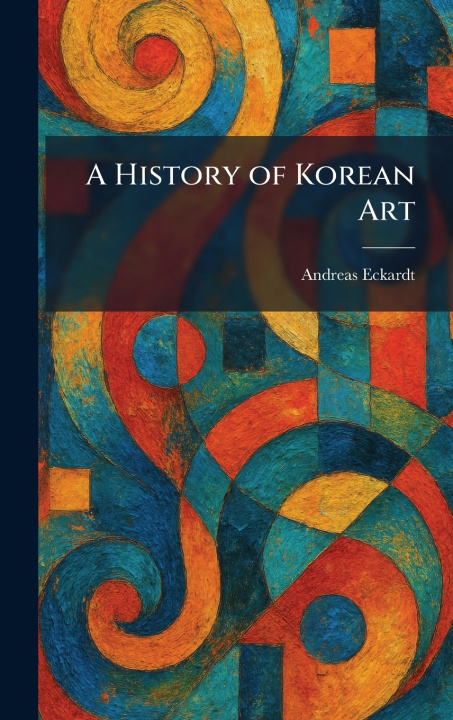
A History of Korean Art
 Inglés
 100 b
100 b
 Nuevo
Nuevo
Política de devolución de 30 días

"A History of Korean Art" offers a comprehensive and foundational survey of the artistic evolution of the Korean peninsula. Written by Andreas Eckardt, this scholarly work meticulously examines the unique aesthetic traditions that define Korean culture, distinguishing them from those of neighboring China and Japan. The book explores a wide range of mediums, including architecture, sculpture, painting, and the decorative arts, providing a chronological overview that spans centuries of creative expression.
The text delves into the profound influence of Buddhism and Confucianism on artistic production, highlighting the majestic temples, intricate pagodas, and serene statues that characterize the landscape. Readers will find detailed analyses of Goryeo ceramics, Joseon Dynasty paintings, and the structural innovations of traditional Korean building techniques. Eckardt's observations provide valuable insight into the spiritual and philosophical undercurrents that shaped the development of Korean visual culture.
As one of the first Western studies dedicated exclusively to the subject, "A History of Korean Art" remains an essential resource for art historians, students, and collectors. Its systematic approach and rich descriptions capture the elegance and simplicity of Korean design, making it a timeless contribution to the study of Asian art and global heritage.
This work has been selected by scholars as being culturally important, and is part of the knowledge base of civilization as we know it. This work was reproduced from the original artifact, and remains as true to the original work as possible. Therefore, you may see the original copyright references, library stamps (as most of these works have been housed in our most important libraries around the world), and other notations in the work.
This work is in the public domain in the United States of America, and possibly other nations. Within the United States, you may freely copy and distribute this work, as no entity (individual or corporate) has a copyright on the body of the work.
As a reproduction of a historical artifact, this work may contain missing or blurred pages, poor pictures, errant marks, etc. Scholars believe, and we concur, that this work is important enough to be preserved, reproduced, and made generally available to the public. We appreciate your support of the preservation process, and thank you for being an important part of keeping this knowledge alive and relevant.


Sobre el libro
Inglés
