Contacto
 Cómo comprar
Entrega
Guía de compras
 Inglés
 223 b
223 b
Hasta 30 días para devoluciones
Clientes que también han comprado


 /
/
 CD de audio
 9.99
€
9.99
€




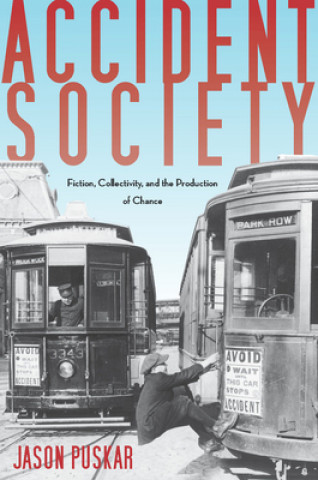
This book argues that language and literature actively produced chance in the late nineteenth and early twentieth centuries by categorizing injuries and losses as innocent of design. Automobile collisions and occupational injuries became "car accidents" and "industrial accidents." During the post-Civil War period of racial, ethnic, and class-based hostility, chance was an abstract enemy against which society might unite. By producing chance, novels by William Dean Howells, Stephen Crane, Anna Katharine Green, Edith Wharton, Theodore Dreiser, and James Cain documented and helped establish new modes of collective interdependence. Chance here is connected not with the competitive individualism of the Gilded Age, but with important progressive and social democratic reforms, including developments in insurance, which had long employed accident narratives to shape its own "mutual society." "Accident Society" reveals the extent to which American collectivity has depended--and continues to depend--on the literary production of chance.


Sobre el libro
Inglés
Categorías

Regale este libro hoy
Es fácil
1 Añadir al carrito y elegir Entregar como regalo en el checkout 2 Le enviaremos un vale 3 El libro llegará a la dirección del destinatarioTambién puede interesarle











 /
/
 Tapa dura
27.89
€
Tapa dura
27.89
€