
 Contacto
 Cómo comprar
Entrega
Guía de compras
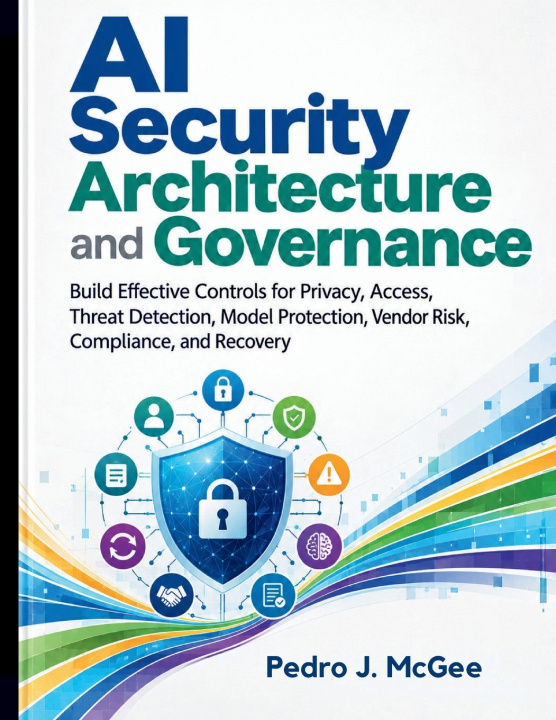
AI Security Architecture and Governance
Build Effective Controls for Privacy, Access, Threat Detection, Model Protection, Vendor Risk, Compliance, and Recovery
 Inglés
 56 b
56 b
 Nuevo
Nuevo
Hasta 30 días para devoluciones

Are you responsible for protecting systems, data, models, and decisions in an environment where intelligent technologies are becoming increasingly powerful-and increasingly difficult to govern? Have you ever wondered whether your organization's security controls are truly prepared for the risks that come with modern automated systems? Where should you begin? What should be protected first? Who should have access, and how can you ensure that access does not become your greatest vulnerability?
AI Security Architecture and Governance is a practical and thought-provoking guide for professionals who need to build stronger, more resilient foundations for privacy, security, accountability, and operational continuity.
The challenge is no longer simply adopting new technologies. The real question is: Can you control them effectively, protect what matters, identify threats early, and recover when something goes wrong?
This book helps you explore those questions with a clear focus on the areas that matter most. How can privacy be protected when sensitive information moves through complex systems? What access controls are necessary to prevent unauthorized users, excessive permissions, and dangerous exposure? How can organizations detect suspicious activity before a small security event becomes a major incident?
You will explore practical approaches to building security architectures that support stronger governance rather than creating unnecessary complexity. Security is not just about installing controls-it is about understanding what those controls protect, why they exist, and how they work together.
What happens when a model, dataset, application, or connected service becomes a target? How can valuable systems be protected from manipulation, misuse, theft, or disruption? How should organizations evaluate vendors whose products, services, and infrastructure become part of the security environment? And when regulations, internal policies, and external requirements continue to evolve, how can compliance become an organized process rather than a constant source of confusion?
This guide examines the essential relationship between technical protection and effective governance. You will learn how privacy, access management, threat detection, model protection, vendor risk, compliance, and recovery can be approached as connected responsibilities rather than isolated tasks.
Would your organization know what to do if a critical system were compromised tomorrow? Would the right people know their responsibilities? Would important information be protected? Could operations be restored quickly and confidently?
Through practical concepts and strategic guidance, this book encourages you to think beyond individual tools and temporary solutions. You will gain a stronger understanding of how to establish clear responsibilities, evaluate risks, design meaningful controls, monitor changing threats, and prepare for incidents before they occur.
Whether you are a security professional, technology leader, risk manager, governance specialist, compliance professional, architect, or decision-maker, this book is designed to help you ask better questions and develop stronger answers.
Because effective security is not achieved by reacting to every problem after it happens. It begins with building an environment capable of anticipating, resisting, responding to, and recovering from risk.
Are you ready to strengthen your security strategy, improve governance, and build controls that can support the technologies shaping the future?
Take the next step today and get your copy of AI Security Architecture and Governance.


Sobre el libro
Inglés

Regale este libro hoy
Es fácil
1 Añadir al carrito y elegir Entregar como regalo en el checkout 2 Le enviaremos un vale 3 El libro llegará a la dirección del destinatario¡Hola! Soy Libroamiko, tu asesor de libros.
¿Cómo puedo ayudarte?