
 Contacto
 Cómo comprar
Entrega
Guía de compras
 Inglés
 384 b
384 b
Hasta 30 días para devoluciones
Clientes que también han comprado

 /
/
 Tapa blanda
 84.29
€
84.29
€





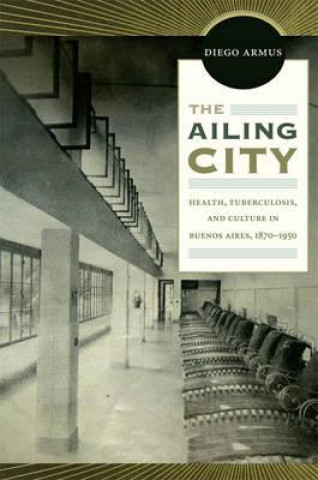
For decades, tuberculosis in Buenos Aires was more than a dangerous bacillus. It was also an anxious state of mind shaped not only by fears of contagion and death but also by broader social and cultural concerns. These worries included changing work routines, rapid urban growth and its consequences for housing and living conditions, efforts to build a healthy "national race," and shifting notions of normality and pathology. In The Ailing City, the historian Diego Armus explores the metaphors, state policies, and experiences associated with tuberculosis in Buenos Aires between 1870 and 1950. During those years, the disease was conspicuous and frightening, and biomedicine was unable to offer an effective cure. Against the background of the global history of tuberculosis, Armus focuses on the making and consolidation of medicalized urban life in the Argentine capital. He discusses the state's intrusion into private lives and the ways that those suffering from TB accommodated and resisted official attempts to care for them and to reform and control their morality, sociability, sexuality, and daily habits. The Ailing City is based on an impressive array of sources, including literature, journalism, labour press, medical journals, tango lyrics, films, advertising, imagery, statistics, official reports, and oral history. It offers a unique perspective on the emergence of modernity in a cosmopolitan city on the periphery of world capitalism.


Sobre el libro
Inglés

Regale este libro hoy
Es fácil
1 Añadir al carrito y elegir Entregar como regalo en el checkout 2 Le enviaremos un vale 3 El libro llegará a la dirección del destinatarioTambién puede interesarle










¡Hola! Soy Libroamiko, tu asesor de libros.
¿Cómo puedo ayudarte?