Contacto
 Cómo comprar
Entrega
Guía de compras
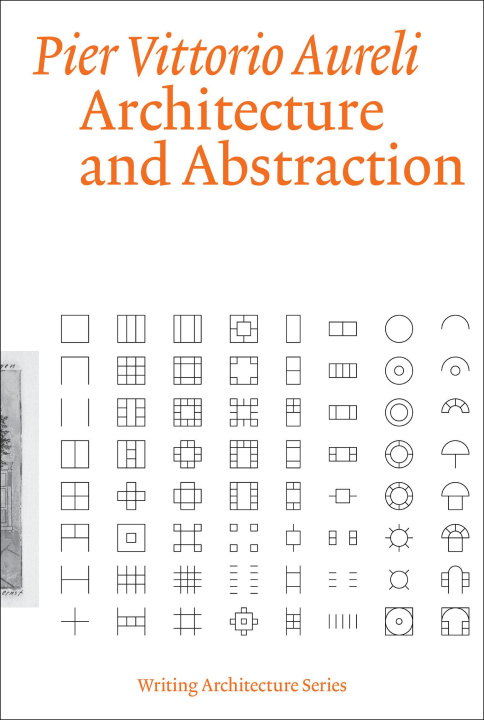
Architecture and Abstraction
 Inglés
 69 b
69 b
 Popular
Hasta 30 días para devoluciones
Clientes que también han comprado

























A landmark study of abstraction in architectural history, theory, and practice that challenges our assumptions about the meaning of abstract forms.
In this theoretical study of abstraction in architecturethe first of its kindPier Vittorio Aureli argues for a reconsideration of abstraction, its meanings, and its sources. Although architects have typically interpreted abstraction in formal termsthe purposeful reduction of the complexities of design to its essentialsAureli shows that abstraction instead arises from the material conditions of building production. In a lively study informed by Walter Benjamin, Karl Marx, Alfred Sohn-Rethel, and other social theorists, this book presents abstraction in architecture not as an aesthetic tendency but as a movement that arises from modern divisions of labor and consequent social asymmetries.
These divisions were anticipated by the architecture of antiquity, which established a distinction between manual and intellectual labor, and placed the former in service to the latter. Further abstractions arose as geometry, used for measuring territories, became the intermediary between land and money and eventually produced the logic of the grid. In our own time, architectural abstraction serves the logic of capitalism and embraces the premise that all things can be exchangedeven experience itself is a commodity. To resist this turn, Aureli seeks a critique of architecture that begins not by scaling philosophical heights, but by standing at the ground level of material practice.


Sobre el libro
Inglés
Categorías

Regale este libro hoy
Es fácil
1 Añadir al carrito y elegir Entregar como regalo en el checkout 2 Le enviaremos un vale 3 El libro llegará a la dirección del destinatarioTambién puede interesarle











 /
/
 Tapa blanda
 14.99
€
14.99
€





 /
Tapa blanda
14.29
€
/
Tapa blanda
14.29
€

 /
Tapa blanda
10.69
€
/
Tapa blanda
10.69
€