
 Contacto
 Cómo comprar
Entrega
Guía de compras
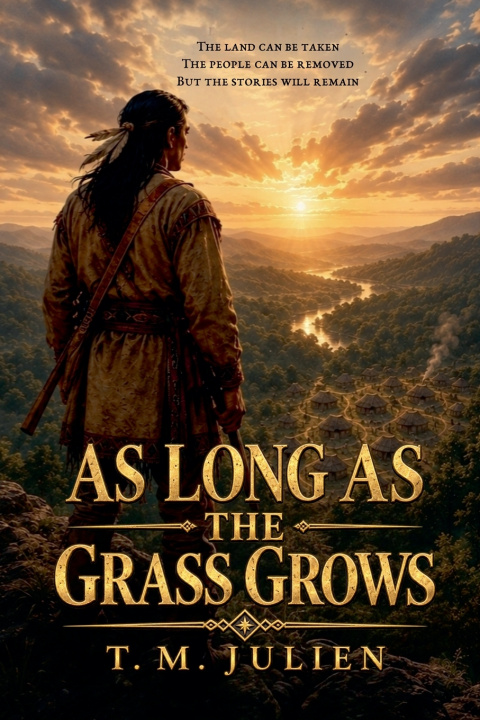
As Long As The Grass Grows
 Inglés
 70 b
70 b
 Próximamente
 Nuevo
Nuevo
Hasta 30 días para devoluciones

In the 1820s, Atohi is a young Cherokee growing up in the Cherokee Nation of Georgia, surrounded by the land, traditions, stories, and spiritual heritage of his people. His grandfather, Kanagagoga, entrusts him with an ancient sacred stone called the Ulûñsû'tï and teaches him that the survival of the Ani-Yunwiya depends upon preserving their stories and identity, even as the world around them changes.
Atohi's childhood friend, Billy MacIntosh, is the son of a white settler family, and their friendship becomes increasingly complicated as American settlers push farther into Cherokee territory. The Cherokee have adopted many aspects of American society, including a written language, schools, farms, and a constitutional government, yet none of this protects them from those who want their land.
When gold is discovered in Cherokee territory, thousands of white miners descend upon the region. Forests are destroyed, streams are polluted, sacred places are violated, and Cherokee families are driven from their homes. At the same time, the United States government applies increasing political and legal pressure to force the Cherokee west.
Atohi marries Oconeechee and begins a family, but the life they are building is threatened by the growing campaign for removal. The Treaty of New Echota divides the Cherokee people, and the political struggle between those who oppose removal and those who accept the treaty becomes increasingly bitter. Despite efforts by Cherokee leaders to defend their homeland through American law and government, the United States ultimately forces the Cherokee from their ancestral lands.
Atohi, his family, and thousands of others are imprisoned in detention camps before being forced onto the Trail of Tears. Under military guard, they begin a journey west marked by hunger, disease, freezing weather, exhaustion, violence, and death. Atohi watches members of his community and his own family suffer and die, yet he refuses to surrender. Carrying the Ulûñsû'tï and the stories entrusted to him by his grandfather, he becomes determined to preserve the memory and spirit of his people no matter what the journey costs.
When the survivors finally reach Indian Territory, the ordeal is not over. They must build new homes and a new community while dealing with the trauma of removal and the divisions that followed the Treaty of New Echota. Violence between Cherokee factions threatens to become a cycle of revenge, forcing Atohi to confront another danger: the possibility that the suffering inflicted upon his people will ultimately destroy them from within.
Through loss, hardship, forgiveness, and perseverance, Atohi works to protect his family and help his people rebuild. His relationship with Billy MacIntosh also comes full circle as Billy confronts the consequences of his past and seeks forgiveness and a place among the people he once helped harm.
Over the years, the Cherokee community begins to heal. Atohi learns that survival is more than simply enduring hardship. It means remembering who you are, preserving the stories of those who came before you, forgiving when forgiveness is possible, and passing the heritage of your people to the generations that follow.
As Long As The Grass Grows is a sweeping historical novel about the Cherokee struggle to survive dispossession, forced removal, and the Trail of Tears without losing their identity. It is a story of family, friendship, betrayal, grief, forgiveness, and the enduring power of memory.
Because land can be stolen and homes can be destroyed-but as long as the grass grows and the water flows, a people who remember cannot be erased


Sobre el libro
Inglés

Regale este libro hoy
Es fácil
1 Añadir al carrito y elegir Entregar como regalo en el checkout 2 Le enviaremos un vale 3 El libro llegará a la dirección del destinatario¡Hola! Soy Libroamiko, tu asesor de libros.
¿Cómo puedo ayudarte?