
 Contacto
 Cómo comprar
Entrega
Guía de compras
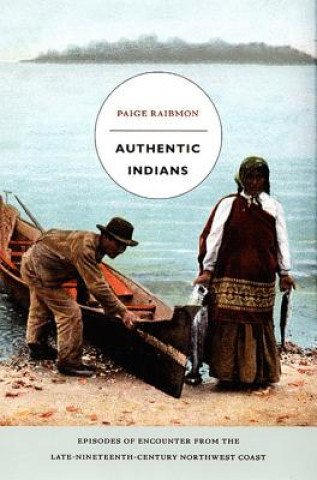
Authentic Indians
Episodes of Encounter from the Late-Nineteenth-Century Northwest Coast
 Inglés
 96 b
96 b
Hasta 30 días para devoluciones
Clientes que también han comprado


 /
/
 Tapa blanda
 49.59
€
49.59
€












In this innovative history, Paige Raibmon traces the roots of ideas about what makes Aboriginal peoples of North America "real Indians." Focusing on the northwest coast in the late nineteenth century and early twentieth, she describes how government officials, missionaries, anthropologists, reformers, settlers, and tourists developed definitions of Indian authenticity based on such binaries as Indian versus white, traditional versus modern, and uncivilized versus civilized. Aboriginal peoples were faced with a quandary: They could either assimilate or remain conspicuously Indian, as "Indian" was imagined by colonizers. Raibmon describes how Aboriginals responded to this conflict by creatively manipulating images of themselves--in ways such as selling handicrafts and performing "traditional" rites--for their own benefit. Drawing on research in newspapers, magazines, agency and missionary records, memoirs, and diaries, Raibmon combines cultural and labor history. She looks at three historical episodes: the participation of a group of Aboriginals from Vancouver in the 1893 World's Columbian Exposition in Chicago; the work of migrant Aboriginal laborers in the hop fields of Puget Sound; and the legal efforts of Tlingit artist Rudolph Walton to have his mixed-race step-children admitted to the white public school in Sitka, Alaska. Taken together, these episodes reveal the futility of outsiders' attempts to define authentic Aboriginal culture. Raibmon argues that Aboriginal culture is much more than the reproduction of rituals; it also lies in the means by which Aboriginals generate new and meaningful ways of identifying their place in a changing modern environment.


Sobre el libro
Inglés

Regale este libro hoy
Es fácil
1 Añadir al carrito y elegir Entregar como regalo en el checkout 2 Le enviaremos un vale 3 El libro llegará a la dirección del destinatarioTambién puede interesarle


















¡Hola! Soy Libroamiko, tu asesor de libros.
¿Cómo puedo ayudarte?