
 Contacto
 Cómo comprar
Entrega
Guía de compras
Autoimmune Disorders
 Inglés
 168 b
168 b
Hasta 30 días para devoluciones
Clientes que también han comprado





 /
/
 Tapa blanda
 47.29
€
47.29
€



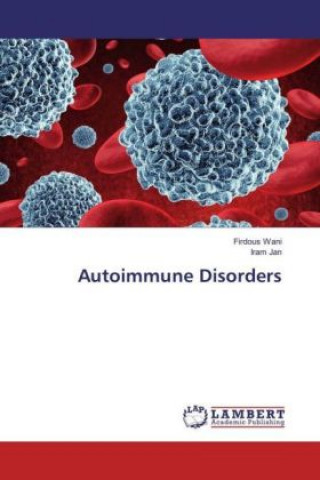
In the dawn of the twentieth century, Paul Ehrlich, an illustrious German haematologist, immunologist, and 1908 Nobel Laureate of Medicine, posited a biological theory of horror autotoxicus, the unwillingness of the organism to endanger itself by the formation of toxic auto antibodies. In other words, an organism's immune system could not develop an autoimmune response. Ehrlich's theory would remain as a widely accepted canon in the then fledgling field of immunology, despite ample evidence to the contrary published by his scientific contemporaries and later biologists. The destructive power and complexity of the human immune system necessitates the presence of sophisticated mechanisms to regulate its activity. The issue of self-nonself discrimination and regulation of autoimmunity has subsequently emerged as a central problem in modern immunology. Autoimmunity is a condition in which structural or functional damage is produced by the action of immunologically competent cell or antibodies against the normal components of the body.Autoimmune disorders are defined as diseases in which immune responses to specific self-antigens contribute to the ongoing tissue damage.


Sobre el libro
Inglés

Regale este libro hoy
Es fácil
1 Añadir al carrito y elegir Entregar como regalo en el checkout 2 Le enviaremos un vale 3 El libro llegará a la dirección del destinatarioTambién puede interesarle

 /
Tapa blanda
14.49
€
/
Tapa blanda
14.49
€




¡Hola! Soy Libroamiko, tu asesor de libros.
¿Cómo puedo ayudarte?