
 Contacto
 Cómo comprar
Entrega
Guía de compras
Babylon
 Inglés
 103 b
103 b
Hasta 30 días para devoluciones
Clientes que también han comprado














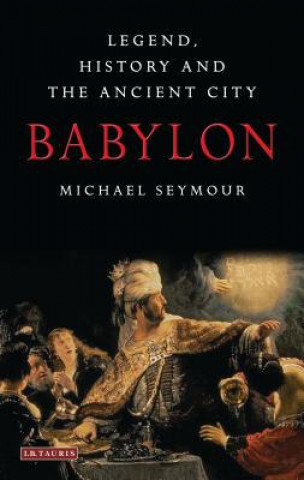
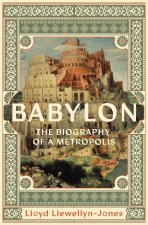
Babylon: for eons its very name has been a byword for luxury and wickedness. By the rivers of Babylon we sat down and wept, wrote the psalmist, as we remembered Zion. One of the greatest cities of the ancient world, Babylon has been eclipsed by its own sinful reputation. For two thousand years the real, physical metropolis lay buried while another, ghostly city lived on, engorged on accounts of its own destruction. More recently the site of Babylon has been the centre of major excavation, yet the spectacular results of this work have done little to displace the many other fascinating ways in which the city has endured and reinvented itself in culture. Saddam Hussein, for one, notoriously exploited the Babylonian myth to associate himself and his regime with its glorious past. Why has Babylon so creatively fired the human imagination, with results both good and ill? Why has it been so enthralling to so many, and for so long? In exploring answers, Michael Seymours book ranges extensively over space and time and embraces art, archaeology, history and literature. From Haurabi and Nebuchadnezzar, via Strabo and Diodorus, to the Book of Revelation, Brueghel, Rembrandt, Voltaire, William Blake and modern interpreters like Umberto Eco, Italo Calvino and Gore Vidal, the author brings to light a carnival of disparate sources dominated by powerful and intoxicating ideas such as the Tower of Babel and the city of sin.


Sobre el libro
Inglés

Regale este libro hoy
Es fácil
1 Añadir al carrito y elegir Entregar como regalo en el checkout 2 Le enviaremos un vale 3 El libro llegará a la dirección del destinatarioTambién puede interesarle
 /
/
 Tapa blanda
 10.99
€
10.99
€





 /
Tapa dura
39.69
€
/
Tapa dura
39.69
€











¡Hola! Soy Libroamiko, tu asesor de libros.
¿Cómo puedo ayudarte?