
 Contacto
 Cómo comprar
Entrega
Guía de compras
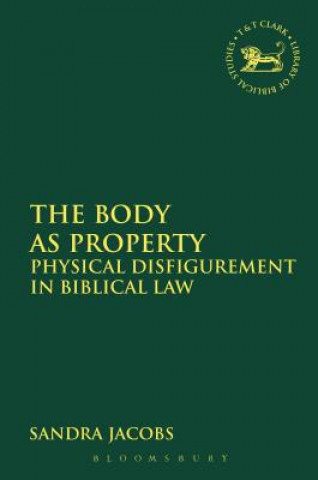
Body as Property
 Inglés
 503 b
503 b
Hasta 30 días para devoluciones
Clientes que también han comprado










The Body As Property indicates that physical disfigurement functioned in biblical law to verify legal property acquisition, when changes in the status of dependents were formalized. It is based on the reality the cuneiform script, in particular, was developed in Sumer and Mesopotamia for the purpose of record keeping: to provide legal proof of ownership where the inscription of a tablet evidenced the sale, or transfer, of property. Legitimate property acquisition was as important in biblical law, where physical disfigurements marked dependents, in a similar way that the veil or the head covering identified a wife or concubine in ancient Assyrian and Judean societies. This is primarily substantiated in the accounts of prescriptive disfigurements: namely circumcision and the piercing of a slave's ear, both of which were required only when a son, or slave, was acquired permanently. It is further argued that legal entitlement was relevant also to the punitive disfigurements recorded in Exodus 21:22-24, and Deuteronomy 25:11-12, where the physical violation of women was of concern solely as an infringement of male property rights.


Sobre el libro
Inglés

Regale este libro hoy
Es fácil
1 Añadir al carrito y elegir Entregar como regalo en el checkout 2 Le enviaremos un vale 3 El libro llegará a la dirección del destinatarioTambién puede interesarle
 /
/
 Tapa blanda
 6.49
€
6.49
€


 /
Tapa blanda
10.69
€
/
Tapa blanda
10.69
€

 /
Tapa blanda
13.29
€
/
Tapa blanda
13.29
€
 /
Tapa blanda
225.39
€
/
Tapa blanda
225.39
€
 /
Tapa blanda
16.19
€
/
Tapa blanda
16.19
€
 /
Tapa dura
96.49
€
/
Tapa dura
96.49
€
¡Hola! Soy Libroamiko, tu asesor de libros.
¿Cómo puedo ayudarte?