
 Contacto
 Cómo comprar
Entrega
Guía de compras
 Inglés
 163 b
163 b
Hasta 30 días para devoluciones
Clientes que también han comprado



 /
/
 Adobe ePub DRM
 27.99
€
27.99
€






 /
/
 Tapa dura
42.19
€
Tapa dura
42.19
€

 /
Tapa blanda
63.59
€
/
Tapa blanda
63.59
€


 /
Tapa blanda
78.59
€
/
Tapa blanda
78.59
€


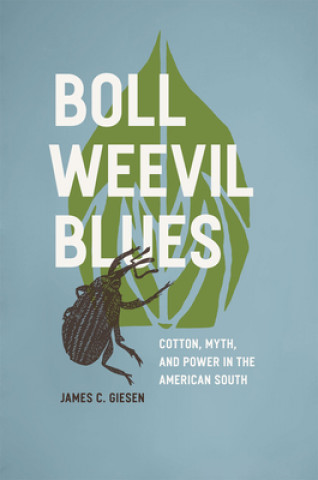
Between the 1890s and the early 1920s, the boll weevil slowly ate its way across the Cotton South from Texas to the Atlantic Ocean. At the turn of the century, some Texas counties were reporting crop losses of over 70 percent, as were areas of Louisiana, Arkansas, and Mississippi. By the time the boll weevil reached the limits of the cotton belt, it had destroyed much of the region's chief cash crop - tens of billions of pounds of cotton, worth nearly a trillion dollars. As staggering as these numbers may seem, James C. Giesen demonstrates that it was the very idea of the boll weevil and the struggle over its meanings that most profoundly changed the South - as different groups, from policymakers to blues singers, projected onto this natural disaster the consequences they feared and the outcomes they sought. Giesen asks how the myth of the boll weevil's lasting impact helped obscure the real problems of the region - those caused not by insects, but by landowning patterns, antiquated credit systems, white supremacist ideology, and declining soil fertility. "Boll Weevil Blues" brings together these cultural, environmental, and agricultural narratives in a novel and important way that allows us to reconsider the making of the modern American South.


Sobre el libro
Inglés
Categorías

Regale este libro hoy
Es fácil
1 Añadir al carrito y elegir Entregar como regalo en el checkout 2 Le enviaremos un vale 3 El libro llegará a la dirección del destinatarioTambién puede interesarle





 /
Tapa blanda
39.69
€
/
Tapa blanda
39.69
€




 /
Tapa blanda
64.59
€
/
Tapa blanda
64.59
€





 /
Tapa dura
169.19
€
/
Tapa dura
169.19
€

¡Hola! Soy Libroamiko, tu asesor de libros.
¿Cómo puedo ayudarte?