Contacto
 Cómo comprar
Entrega
Guía de compras
 Inglés
 182 b
182 b
Hasta 30 días para devoluciones
Clientes que también han comprado













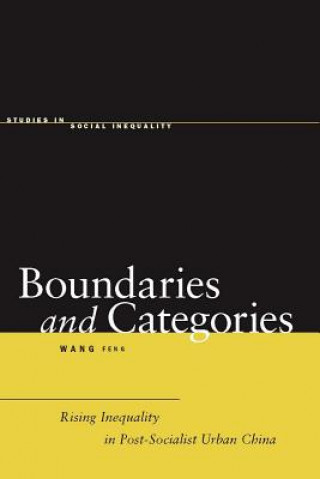
In the last two decades of the twentieth century, following the worldwide collapse of communism, China ascended from being one of the most egalitarian societies in the world to one of the more unequal. Wang Feng documents the process of rising inequality in urban China during this period, and explores the underlying structural forces that define China's emerging social landscape.By treating social categories created under socialism, such as cities and work organizations, as explicit forces generating inequality, the author reveals a pattern that embodies both enlarging inequality between social categories and persistent equality within them. This pattern is traced to China's post-socialist political economy and to a long-existing cultural tradition that places a premium on harmony and group solidarity. China's great reversal from equality to inequality is a powerful example of how social categories, not individual traits and preferences, structure and maintain inequality.


Sobre el libro
Inglés

Regale este libro hoy
Es fácil
1 Añadir al carrito y elegir Entregar como regalo en el checkout 2 Le enviaremos un vale 3 El libro llegará a la dirección del destinatarioTambién puede interesarle

 /
/
 Tapa blanda
 12.59
€
12.59
€









 /
Tapa dura
40.69
€
/
Tapa dura
40.69
€