
 Contacto
 Cómo comprar
Entrega
Guía de compras
Brain-Computer Interfacing
 Inglés
 277 b
277 b
Hasta 30 días para devoluciones
Clientes que también han comprado

























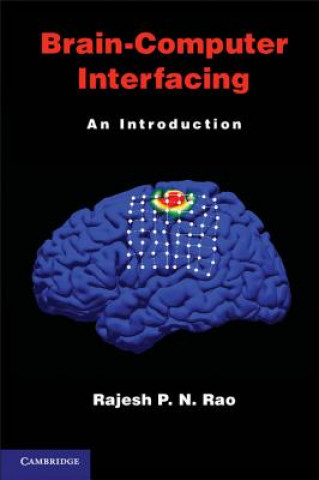
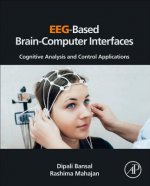
The idea of interfacing minds with machines has long captured the human imagination. Recent advances in neuroscience and engineering are making this a reality, opening the door to restoring and potentially augmenting human physical and mental capabilities. Medical applications such as cochlear implants for the deaf and deep brain stimulation for Parkinson's disease are becoming increasingly commonplace. Brain-computer interfaces (BCIs) (also known as brain-machine interfaces or BMIs) are now being explored in applications as diverse as security, lie detection, alertness monitoring, telepresence, gaming, education, art, and human augmentation. This introduction to the field is designed as a textbook for upper-level undergraduate and first-year graduate courses in neural engineering or brain-computer interfacing for students from a wide range of disciplines. It can also be used for self-study and as a reference by neuroscientists, computer scientists, engineers, and medical practitioners. Key features include: • Essential background in neuroscience, brain recording and stimulation technologies, signal processing and machine learning • Detailed description of the major types of BCIs in animals and humans, including invasive, semi-invasive, noninvasive, stimulating and bidirectional BCIs • In-depth discussion of BCI applications and BCI ethics • Questions and exercises in each chapter • Supporting website with annotated list of book-related links.


Sobre el libro
Inglés

Regale este libro hoy
Es fácil
1 Añadir al carrito y elegir Entregar como regalo en el checkout 2 Le enviaremos un vale 3 El libro llegará a la dirección del destinatarioTambién puede interesarle






 /
/
 Tapa blanda
 17.69
€
17.69
€













¡Hola! Soy Libroamiko, tu asesor de libros.
¿Cómo puedo ayudarte?