
 Contacto
 Cómo comprar
Entrega
Guía de compras
Brain Evolution
 Inglés
 550 b
550 b
Política de devolución de 30 días
También puede interesarle







 /
/
 Tapa dura
 33.69
€
33.69
€



 /
Tapa blanda
285.29
€
/
Tapa blanda
285.29
€









 /
Tapa blanda
7.99
€
/
Tapa blanda
7.99
€






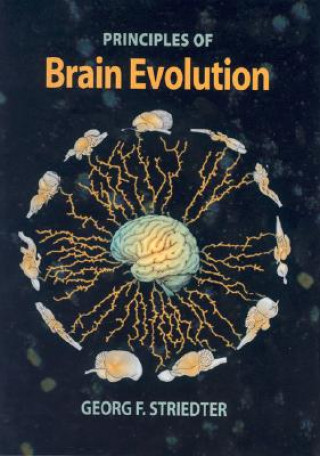
Brain Evolution is a complex weave of species similarities and differences, bound by diverse rules or principles. This book is a detailed examination of these principles, using data from a wide array of vertebrates but minimizing technical details and terminology. It is written for advanced undergraduates, graduate students, and more senior scientists who already know something about 'the brain,' but want a deeper understanding of how diverse brains evolved. The book opens with a brief history of evolutionary neuroscience, then introduces the various groups of vertebrates and their major brain regions. The core of the text explores: what aspects of brain organization are conserved across the vertebrates; how brains and bodies changed in size as vertebrates evolved; how individual brain regions tend to increase or decrease in size; how regions can become structurally more (or less) complex; and how neuronal circuitry evolves. A central theme emerges from these chapters-that evolutionary changes in brain size tend to correlate with many other aspects of brain structure and function, including the proportional size of individual brain regions, their complexity, and their neuronal connections. To explain these correlations, the book delves into rules of brain development and asks how changes in brain structure impact function and behaviour. The final two chapters demonstrate the application of these rules, focusing on how mammal brains diverged from other brains and how Homo sapiens evolved a very large and 'special' brain.


Sobre el libro
Inglés

Regale este libro hoy
Es fácil
1 Añadir al carrito y elegir Entregar como regalo en el checkout 2 Le enviaremos un vale 3 El libro llegará a la dirección del destinatario¡Hola! Soy Libroamiko, tu asesor de libros.
¿Cómo puedo ayudarte?