
 Contacto
 Cómo comprar
Entrega
Guía de compras
 Inglés
 78 b
78 b
Hasta 30 días para devoluciones
Clientes que también han comprado




 /
/
 Tapa blanda
 20.39
€
20.39
€





 /
Tapa blanda
20.09
€
/
Tapa blanda
20.09
€

















 /
Tapa blanda
8.29
€
/
Tapa blanda
8.29
€

 /
Tapa blanda
17.89
€
/
Tapa blanda
17.89
€

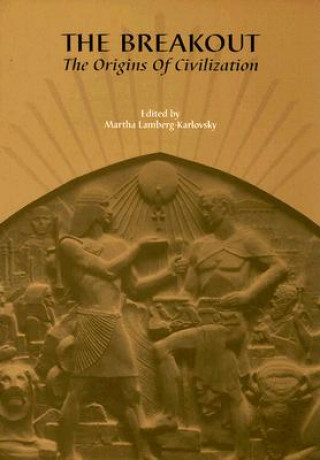
For much of the twentieth century, Mesopotamia was thought to he the singular Cradle of Civilization; and the agents of change that brought it about were thought to be demographic, ecological, and technological. Bronze Age Mesopotamian accomplishments were believed to have diffused outward, influencing the development of civilization in the rest of the world. Part of this Mesopocentric view was revised as archaeological evidence revealed that other unique civilizations had existed in both the Old and New Worlds, but the traditional Near Eastern pattern of development continued to serve as a model. In the mid-1980s, however, Harvard's Kwang-chih Chang proposed in Symbols--a publication of Harvard's Peabody Museum and Department of Anthropology--that China's first civilization did not evolve according to the conventional Mesopotamian model and argued instead for a new paradigm for understanding the origins of civilization in ancient China and the New World. In this collection of subsequent Symbols articles and other essays, Maya and Near Eastern studies specialists engage in a stimulating debate of Chang's thesis, also presented here.


Sobre el libro
Inglés

Regale este libro hoy
Es fácil
1 Añadir al carrito y elegir Entregar como regalo en el checkout 2 Le enviaremos un vale 3 El libro llegará a la dirección del destinatarioTambién puede interesarle









 /
Tapa blanda
9.89
€
/
Tapa blanda
9.89
€





 /
Tapa blanda
10.69
€
/
Tapa blanda
10.69
€









¡Hola! Soy Libroamiko, tu asesor de libros.
¿Cómo puedo ayudarte?