
 Contacto
 Cómo comprar
Entrega
Guía de compras
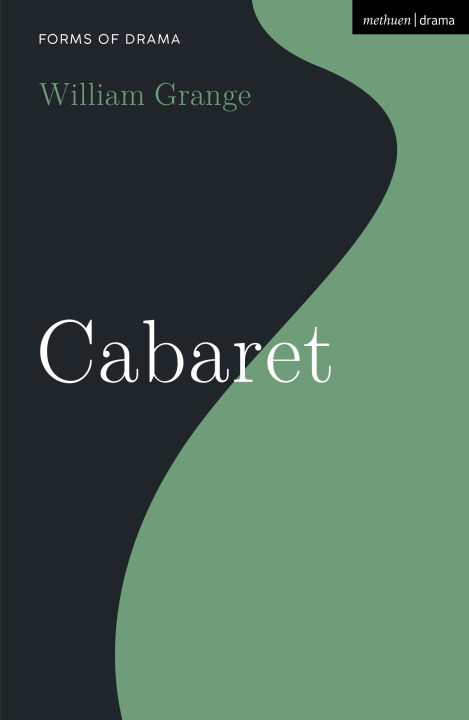
Cabaret
 Inglés
 75 b
75 b
Hasta 30 días para devoluciones
Clientes que también han comprado
































Where did cabaret come from? What has it got to do with pre-war Berlin, decadent society and Nazis? How does it turn into media cabaret and the sisterhood of sleaze? Is cabaret a primary vehicle for exploring the range of sexual practices and alternative sexual identities?
In this new book William Grange brings into one place for the first time the range of practices now associated with the form of cabaret. Beginning with its origins in speciality German theatres and the development both of the sheet music industry and disc recordings, Grange tracks the form through into its golden age in the 1920s and beyond.
The book’s three sections deal first with the emergence of Berlin as the ‘German Chicago’, where cabaret flourished in the midst of post-war political turmoil. The abolition of censorship allowed nude dancing and sexually explicit songs and routines. It also saw the introduction of kick-line dancing and black performers.
In the book’s second and third sections Grange takes the story forward into the post second-world-war world, describing how the form moved outwards from central Europe to move across the whole world, reaching Singapore and Australia, and as it did so settling into the range of forms in which we know it today. Some of these forms became ‘media cabaret’ looking towards the new media age, the postmodernism that followed on from modernism. To this age, even in its new forms, cabaret brought its old habits of making challenges to assumptions around gender identities and sexual practices. As throughout its whole history, cabaret was a form that provided particular vehicles for female performers. And whereas it once served up whore songs and nude dancing it now offers a sisterhood of sleaze.


Sobre el libro
Inglés

Regale este libro hoy
Es fácil
1 Añadir al carrito y elegir Entregar como regalo en el checkout 2 Le enviaremos un vale 3 El libro llegará a la dirección del destinatarioTambién puede interesarle









 /
/
 Tapa dura
 45.89
€
45.89
€






 /
Tapa blanda
15.39
€
/
Tapa blanda
15.39
€









¡Hola! Soy Libroamiko, tu asesor de libros.
¿Cómo puedo ayudarte?