
 Contacto
 Cómo comprar
Entrega
Guía de compras
 Inglés
 78 b
78 b
Política de devolución de 30 días
Clientes que también han comprado





















 /
/
 Tapa blanda
 24.59
€
24.59
€









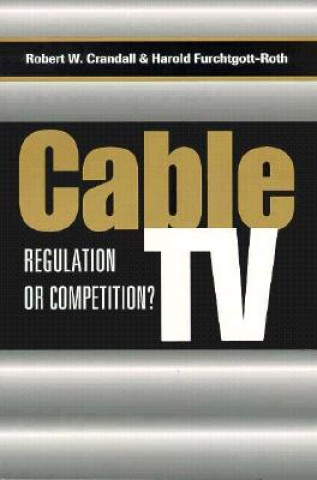
In 1984, Congress simultaneously eliminated state-local regulation of cable television rates and banned telephone companies from offering cable service in their own franchise areas. Five years later, the General Accounting Office discovered that basic cable rates had risen more than four times as rapidly as the overall consumer price level since rate deregulation. As a result, Congress began to move to reimpose cable rate regulation once again, finally succeeding (over President Bush's veto) in 1992. In this book, Robert Crandall and Harold Furchtgott-Roth examine the case of reregulating cable television and find that viewers gained far more than they lost during the brief deregulatory era because cable services expanded so rapidly in the deregulated environment. Moreover, they show that new technologies, such as direct-broadcast satellites, are likely to provide considerable market discipline for cable operators in the next few years, weakening any case for rate regulation. Given regulation's history of impeding innovation, they conclude that economic welfare is more likely to be enhanced by policies aimed at encouraging new entry into video services than by rate regulation.


Sobre el libro
Inglés
Categorías

Regale este libro hoy
Es fácil
1 Añadir al carrito y elegir Entregar como regalo en el checkout 2 Le enviaremos un vale 3 El libro llegará a la dirección del destinatarioTambién puede interesarle




 /
Tapa dura
56.59
€
/
Tapa dura
56.59
€















 /
Tapa dura
175.49
€
/
Tapa dura
175.49
€



¡Hola! Soy Libroamiko, tu asesor de libros.
¿Cómo puedo ayudarte?