
 Contacto
 Cómo comprar
Entrega
Guía de compras
 Inglés
 71 b
71 b
Hasta 30 días para devoluciones
Clientes que también han comprado








 /
/
 Tapa blanda
 47.29
€
47.29
€




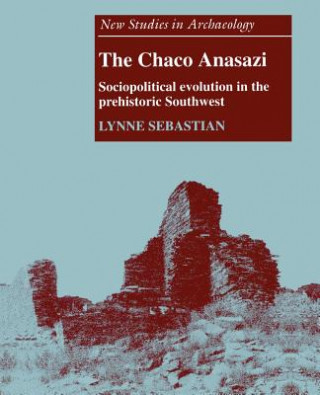
In the tenth century AD, a remarkable cultural development took place in the harsh and forbidding San Juan Basin of northwestern New Mexico. From small-scale, simply organised, prehistoric Pueblo societies, a complex and socially differentiated political system emerged which has become known as the Chaco Phenomenon. The origins, evolution, and decline of this system have long been the subject of intense archaeological debate. Lynne Sebastian examines the transition of the Chaco system from an acephalous society, in which leadership was situational and most decision making carried out within kinship structures, to a hierarchically organised political structure with institutional roles of leadership. She argues that harsh environmental factors were not the catalyst for the transition, as has previously been thought. Rather, the increasing political complexity was a consequence of improved rainfall in the region which permitted surplus production, thus allowing those farming the best land to capitalise on the material success. By combining information on political evolution with archaeological data and the results of a computer simulation, she is able to produce a sociopolitically based model of the rise, florescence, and decline of the Chaco Phenomenon.


Sobre el libro
Inglés
Categorías

Regale este libro hoy
Es fácil
1 Añadir al carrito y elegir Entregar como regalo en el checkout 2 Le enviaremos un vale 3 El libro llegará a la dirección del destinatarioTambién puede interesarle



¡Hola! Soy Libroamiko, tu asesor de libros.
¿Cómo puedo ayudarte?