
 Contacto
 Cómo comprar
Entrega
Guía de compras
 Inglés
 146 b
146 b
Hasta 30 días para devoluciones
Clientes que también han comprado

 /
/
 Tapa blanda
 15.89
€
15.89
€



 /
Tapa blanda
22.99
€
/
Tapa blanda
22.99
€


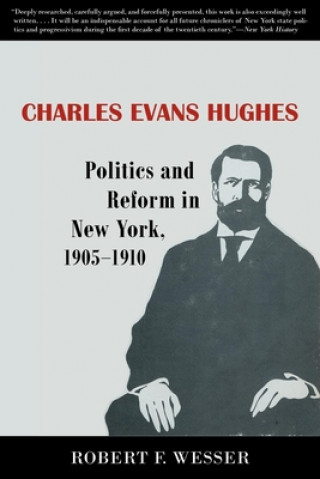
When Charles Evans Hughes defeated William Randolph Hearst for the governorship of New York in 1906, the New York State Republican Party was split between the remnants of the rural, conservative Platt political machine in Albany and the forces loyal to the progressive, energetic President and former New York Governor, Teddy Roosevelt. Although Hughes owed his nomination largely to Roosevelt's desire to weaken conservative influences, the aloof and independent governor's moral idealism and legal experience led him to positions more liberal and unyielding than even Roosevelt could endorse. In this thorough study of Hughes's two terms as governor, Robert F. Wesser depicts the tensions of conservativism and liberalism, corruption and moral indignation, which rent the state government under his administration. Making use of unpublished manuscript collections, both personal and organizational, and other primary sources, Wesser evaluates the strengths and weaknesses of Hughes as a political leader and reformer. He shows that despite opposition from his own party, Hughes's governorship produced important reform legislation in three areas: improvement of the machinery and processes of government; extension of the state's regulatory authority over businesses engaged in public services; and expansion of governmental police and welfare functions. These legislative achievements were supplemented by Hughes's relentless dedication to administrative efficiency, which helped shift the focus of New York politics from the legislature and party organization to the office of the governor. But not all Governor Hughes's efforts were successful, and Wesser carefully analyzes his failures as well as his triumphs-including the humiliating defeat at the hands of his own party's bosses in his quest to pass a direct primary voting bill-providing a complete portrait of a significant turning point in the history of New York and of the man who undermined some of the very foundations of the old political order. First published in 1967, Charles Evans Hughes remains an import work of scholarship on the history of New York and of the Progressive Era more broadly.


Sobre el libro
Inglés

Regale este libro hoy
Es fácil
1 Añadir al carrito y elegir Entregar como regalo en el checkout 2 Le enviaremos un vale 3 El libro llegará a la dirección del destinatarioTambién puede interesarle









 /
Tapa dura
234.09
€
/
Tapa dura
234.09
€
¡Hola! Soy Libroamiko, tu asesor de libros.
¿Cómo puedo ayudarte?