
 Contacto
 Cómo comprar
Entrega
Guía de compras
 Inglés
 489 b
489 b
Hasta 30 días para devoluciones
Clientes que también han comprado



 /
/
 Tapa blanda
 17.09
€
17.09
€





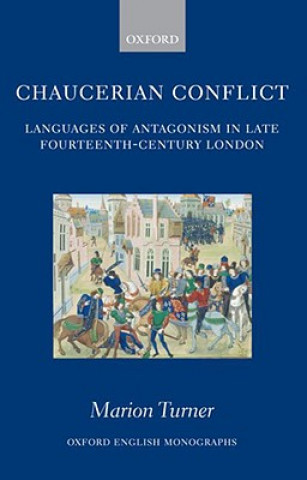
Chaucerian Conflict explores the textual environment of London in the 1380s and 1390s, revealing a language of betrayal, surveillance, slander, treason, rebellion, flawed idealism, and corrupted compaignyes. Taking a strongly interdisciplinary approach, it examines how discourses about social antagonism work across different kinds of texts written at this time, including Chaucer's House of Fame, Troilus and Criseyde, and Canterbury Tales, and other literary texts such as St Erkenwald, Gower's Vox clamantis, Usk's Testament of Love, and Maidstone's Concordia. Many non-literary texts are also discussed, including the Mercers' Petition, Usk's Appeal, the guild returns, judicial letters, de Mezieres's Letter to Richard II, and chronicle accounts. These were tumultuous decades in London: some of the conflicts and problems discussed include the Peasants' Revolt, the mayoral rivalries of the 1380s, the Merciless Parliament, slander legislation, and contemporary suspicion of urban associations. While contemporary texts try to hold out hope for the future, or imagine an earlier Golden Age, Chaucer's texts foreground social conflict and antagonism.Though most critics have promoted an idea of Chaucer's texts as essentially socially optimistic and congenial, Marion Turner argues that Chaucer presents a vision of a society that is inevitably divided and destructive.


Sobre el libro
Inglés
Categorías

Regale este libro hoy
Es fácil
1 Añadir al carrito y elegir Entregar como regalo en el checkout 2 Le enviaremos un vale 3 El libro llegará a la dirección del destinatarioTambién puede interesarle




 /
Tapa dura
112.09
€
/
Tapa dura
112.09
€











¡Hola! Soy Libroamiko, tu asesor de libros.
¿Cómo puedo ayudarte?