
 Contacto
 Cómo comprar
Entrega
Guía de compras
 Inglés
 304 b
304 b
Hasta 30 días para devoluciones
Clientes que también han comprado



 /
/
 Tapa blanda
 45.29
€
45.29
€

 /
Tapa blanda
17.89
€
/
Tapa blanda
17.89
€
 /
Tapa blanda
10.09
€
/
Tapa blanda
10.09
€
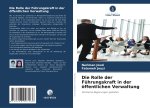


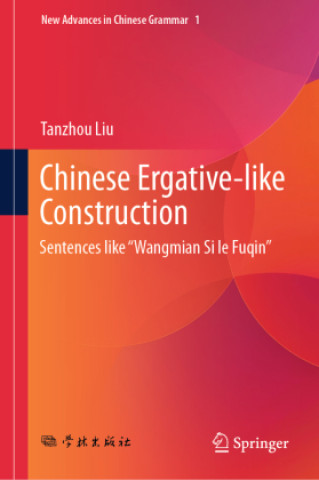
This book first introduces the ins and outs of the debate between generative grammar and construction grammar in the context of modern linguistic theory and introduces various related terms, such as unergative verbs, unaccusative verbs, and "Burzio's law". Secondly, authors discuss the following questions: 1) Is "Wang Mian's father died" derived from "Wang Mian's father died" through the displacement of "Wang Mian"? Do the two belong to the same sentence structure? 2) Is "Wang Mian's father died" derived from "Wang Mian experienced his father's death" through the displacement of "death"? Do the two belong to the same sentence structure? 3) Do "Wang Mian, his father is dead" and "Wang Mian, his father is dead" belong to the same sentence structure? Is there any shift and derivation relationship? Can "father" in both sentences be designated as the subject case? 4) What is the difference in the meaning of sentence patterns when "non-ergative verbs" represented by "disease" and "laugh" and "non-accusative verbs" represented by "die" and "come" take objects? 5) How do you view the relationship between the historical formation of "Wang Mian's father died" and the "generation" hypothesis in the synchronic system? Finally, authors discuss the explanatory power of the construction method and the syntactic shift method and which of the argument view and topic view of Chinese syntax can better reflect the essence of Chinese grammar.


Sobre el libro
Inglés
Categorías

Regale este libro hoy
Es fácil
1 Añadir al carrito y elegir Entregar como regalo en el checkout 2 Le enviaremos un vale 3 El libro llegará a la dirección del destinatarioTambién puede interesarle









¡Hola! Soy Libroamiko, tu asesor de libros.
¿Cómo puedo ayudarte?