
 Contacto
 Cómo comprar
Entrega
Guía de compras
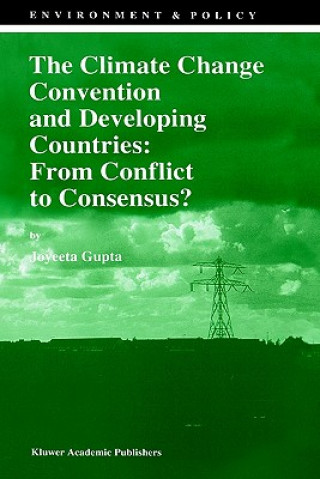
Climate Change Convention and Developing Countries
 Inglés
 276 b
276 b
Hasta 30 días para devoluciones
Clientes que también han comprado



 /
/
 Tapa dura
 39.95
€
39.95
€


 /
Tapa blanda
14.99
€
/
Tapa blanda
14.99
€








The climate change problem can only be effectively dealt with if global anthropogenic greenhouse gas (GHG) emissions can be reduced substantially. Since the emission of such gases is closely related to the economic growth of countries, a critical problem to be addressed by the United Nations Framework Convention on Climate Change (FCCC) is: how will the permissible emission levels be shared between industrialised (ICs) and developing countries (DCs)? The thesis of this book is that the long-term effectiveness of the FCCC runs the risk of a horizontal negotiation deadlock between countries and the risk of vertical standstill within countries if there is little domestic support for the domestic implementation of measures being announced in international negotiations. The research question is: Can one observe trends towards horizontal deadlock and vertical standstill and if yes, how can the treaty design be improved so as to avoid such potential future bottlenecks? The research focuses on the perspectives of domestic actors on the climate convention and related issues in four developing countries: India, Indonesia, Kenya and Brazil. The following key findings emerge from the research: 1. Handicapped negotiating power: The common theme of the foreign policy of DCs is that ICs are responsible for the bulk of the GHG emissions and need to take appropriate domestic action.


Sobre el libro
Inglés
Categorías

Regale este libro hoy
Es fácil
1 Añadir al carrito y elegir Entregar como regalo en el checkout 2 Le enviaremos un vale 3 El libro llegará a la dirección del destinatarioTambién puede interesarle


 /
Tapa blanda
23.79
€
/
Tapa blanda
23.79
€











 /
Tapa blanda
14.99
€
/
Tapa blanda
14.99
€









¡Hola! Soy Libroamiko, tu asesor de libros.
¿Cómo puedo ayudarte?