
 Contacto
 Cómo comprar
Entrega
Guía de compras
Climate-Related Commitment and Worldview-Based Reasoning
 Alemán
 94 b
94 b
Hasta 30 días para devoluciones
Clientes que también han comprado

 /
/
 Tapa blanda
 21.99
€
21.99
€







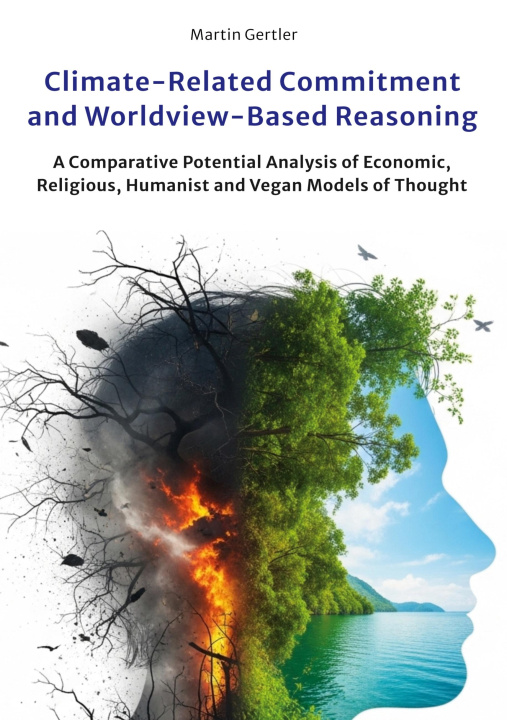
The way we think determines our everyday lives. Political goals are mostly driven by economic interests, while ethical questions belong to the realms of worldview, lifestyle and education.
So, is the climate crisis merely a matter of belief? A recent study suggests that it may be, as it shows that four selected models of thinking - economism, religionism, humanism and veganism - have very different potential and limitations when it comes to transforming society into a more climate-friendly and sustainable one.
These models are confronted with indicators from the Intergovernmental Panel on Climate Change's findings, the CO2 budget and the concept of planetary boundaries, which serve as a normative frame of reference. This reveals the structural differences, similarities, fears and blind spots of the models, particularly their varying potential to contribute effectively to overcoming the climate crisis.
The indicators are then used to evaluate how well the German federal government's 2025 coalition agreement fulfils the internationally agreed climate and sustainability targets, to which the government itself is also bound.
The resulting indicators and grids can contribute to reflection and communication in educational processes, political debates and civil society initiatives. They can also assist companies in producing climate protection or sustainability reports.


Sobre el libro
Alemán

Regale este libro hoy
Es fácil
1 Añadir al carrito y elegir Entregar como regalo en el checkout 2 Le enviaremos un vale 3 El libro llegará a la dirección del destinatarioTambién puede interesarle
 /
Tapa blanda
58.09
€
/
Tapa blanda
58.09
€

 /
Tapa blanda
17.29
€
/
Tapa blanda
17.29
€
¡Hola! Soy Libroamiko, tu asesor de libros.
¿Cómo puedo ayudarte?