
 Contacto
 Cómo comprar
Entrega
Guía de compras
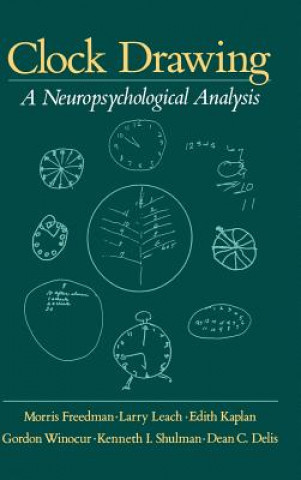
Clock Drawing
A Neuropsychological Analysis
 Inglés
 198 b
198 b
Política de devolución de 30 días
También puede interesarle












 /
/
 Tapa blanda
 19.59
€
19.59
€










 /
Tapa blanda
16.29
€
/
Tapa blanda
16.29
€


Written by a multi-disciplinary team of experts in neurobehaviour, this concise, well-illustrated book provides long-awaited normative data on clock drawing from ages 20 to 90 years. A practical guide to the quantitative assessment of clock drawing, it also takes a process-oriented approach to qualitative impairment. The authors discuss clock drawing as a neuropsychological test instrument and the rationale for selecting specific time settings, as well as the basis for using different clock conditions. The book contains numerous examples of clocks drawn by patients with cognitive impairment due to dementia, metabolic encephalopathy, traumatic brain injury, disconnection syndrome and focal brain lesions. Insight into changes in clock drawing ability that may represent the earliest markers of cognitive decline in dementia are also presented. This volume will be of interest to clinicians and researchers in neuropsychology, neurology, psychiatry, geriatric medicine, language therapy, and occupational therapy. It offers readers normative data on the clock drawing task, guidelines for administration and scoring, and a rich selection of clock drawings that illustrate the abnormalities commonly encountered in clinical practice and research.


Sobre el libro
Inglés
Categorías
