
 Contacto
 Cómo comprar
Entrega
Guía de compras
Clostridium difficile
 Inglés
 414 b
414 b
Política de devolución de 30 días
Clientes que también han comprado











 /
/
 Tapa blanda
 47.29
€
47.29
€







 /
Tapa blanda
25.39
€
/
Tapa blanda
25.39
€













 /
Tapa blanda
21.99
€
/
Tapa blanda
21.99
€


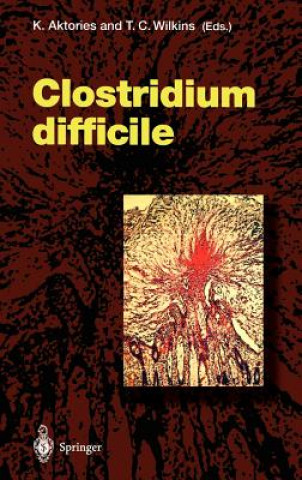
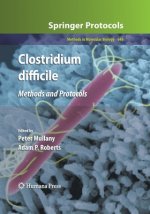
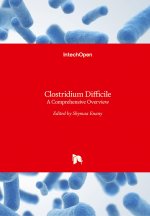
Clostridium difficile has been recognized as the cause of a broad spectrum of enteric disease ranging from mild antibiotic-associated diarrhea to pseudomembranous colitis. This volume gives new insights into the microbiology, diagnostics and epidemiology of Clostridium difficile and describes recent strategies in treatment of diseases caused by this agent. Main parts of the volume are devoted to Clostridium difficile toxins A and B which are the major virulence factors. The molecular biology, biochemistry, pharmacology and cell biology of these toxins which are the prototypes of a new family of large clostridial cytotoxins is described in great detail. Clostridium difficile toxins act as glucosyltransferases to inactivate small GTP-binding proteins of the Rho family which are involved in regulation of the actin cytoskeleton, cell adhesion and various signaling processes.


Sobre el libro
Inglés
Categorías

Regale este libro hoy
Es fácil
1 Añadir al carrito y elegir Entregar como regalo en el checkout 2 Le enviaremos un vale 3 El libro llegará a la dirección del destinatarioTambién puede interesarle


 /
Tapa blanda
9.19
€
/
Tapa blanda
9.19
€
 /
Tapa blanda
110.59
€
/
Tapa blanda
110.59
€











 /
Tapa blanda
35.59
€
/
Tapa blanda
35.59
€