
 Contacto
 Cómo comprar
Entrega
Guía de compras
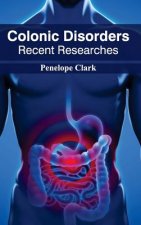
Colonic Diseases
 Inglés

 298 b
298 b
Hasta 30 días para devoluciones
Clientes que también han comprado



 /
/
 Tapa blanda
 11.09
€
11.09
€






















The Scientification of Gastroenterology During the 20th Century Science contributes to medicine in three ways: It provides a body of relatively secure knowl edge. Some of that knowledge has been applied to develop technologies which have had a major impact upon the practice and effectiveness of medicine. Last, science offers to medicine a way of thinking. - 1. McCormick [(1993) The Contribution of Science to Medicine. Perspect. Bioi. Med. 16,315.] Awareness of the digestive system began with the dawn of civilization, when man, observing the feeding habits of animals in the surrounding environment, experimented with foods, edible and inedible. Identity came with discoveries of the digestive organs during the 16th and 17th centuries. Function was revealed by physiologic studies of digestion, absorp tion and secretion, metabolism, and motility during the 18th and 19th centuries. Diagnostic access improved with the technological advances of the 20th century. Understanding of gas trointestinal (GI) disease followed the growth of the basic sciences and gastroenterology's involvement in scientific research during the latter half of the 20th century. Early in the 20th century, gastroenterology was yet an undefined activity without clinical or scientific guidelines. Diagnostic approach to the digestive tract was minimal. Valid con cepts of disease were lacking. Visceroptosis, sitophobia, and "colonic autointoxication" were common "diagnoses." Therapeutic resources were scarce.


Sobre el libro
Inglés

Regale este libro hoy
Es fácil
1 Añadir al carrito y elegir Entregar como regalo en el checkout 2 Le enviaremos un vale 3 El libro llegará a la dirección del destinatarioTambién puede interesarle





















 /
Tapa blanda
202.09
€
/
Tapa blanda
202.09
€




¡Hola! Soy Libroamiko, tu asesor de libros.
¿Cómo puedo ayudarte?