
 Contacto
 Cómo comprar
Entrega
Guía de compras
 Inglés
 594 b
594 b
Hasta 30 días para devoluciones
Clientes que también han comprado



 /
/
 Tapa blanda
 6.89
€
6.89
€







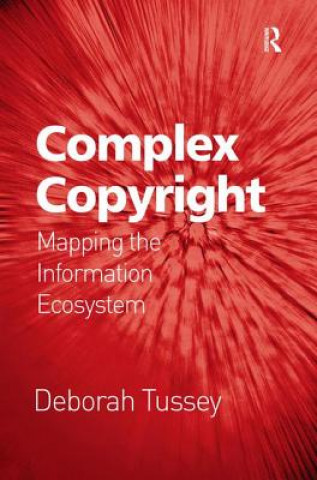
This book draws on a wide selection of interdisciplinary literature discussing complex adaptive systems - including scholarship from economics, political science, evolutionary biology, cognitive science, and religion - to apply general complexity tenets to the institutions, conceptual framework, and theoretical justifications of the copyright system, both in the United States and internationally. The author argues that copyrighted works are the products of complex creative systems and, consequently, designers of copyright regimes for the global 'information ecosystem' should look to complexity theory for guidance. Urging legal scholars to undertake empirical studies of real-world copyright systems, Tussey reveals how the selection of workable configurations for the copyright regime is larger than that encompassed by the traditional, entirely theoretical, debate between private property rights and the commons. Finally, this unique study articulates how copyright law must tolerate certain chaotic elements that may be essential to the sustainability of complex systems.


Sobre el libro
Inglés
Categorías

Regale este libro hoy
Es fácil
1 Añadir al carrito y elegir Entregar como regalo en el checkout 2 Le enviaremos un vale 3 El libro llegará a la dirección del destinatarioTambién puede interesarle
























 /
Tapa dura
51.39
€
/
Tapa dura
51.39
€
¡Hola! Soy Libroamiko, tu asesor de libros.
¿Cómo puedo ayudarte?