
 Contacto
 Cómo comprar
Entrega
Guía de compras
 Inglés
 301 b
301 b
Hasta 30 días para devoluciones
Clientes que también han comprado












 /
/
 Tapa blanda
 12.59
€
12.59
€

 /
Tapa blanda
84.39
€
/
Tapa blanda
84.39
€


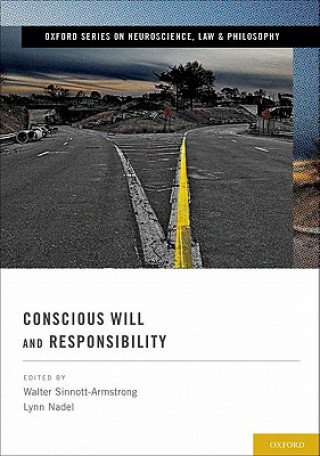
We all seem to think that we do the acts we do because we consciously choose to do them. This commonsense view is thrown into dispute by Benjamin Libet's eyebrow-raising experiments, which seem to suggest that conscious will occurs not before but after the start of brain activity that produces physical action. Libet's striking results are often claimed to undermine traditional views of free will and moral responsibility and to have practical implications for criminal justice. His work has also stimulated a flurry of further fascinating scientific research--including findings in psychology by Dan Wegner and in neuroscience by John-Dylan Haynes--that raises novel questions about whether conscious will plays any causal role in action. Critics respond that both commonsense views of action and traditional theories of moral and legal responsibility, as well as free will, can survive the scientific onslaught of Libet and his progeny. To further this lively debate, Walter Sinnott-Armstrong and Lynn Nadel have brought together prominent experts in neuroscience, psychology, philosophy, and law to discuss whether our conscious choices really cause our actions, and what the answers to that question mean for how we view ourselves and how we should treat each other.


Sobre el libro
Inglés
Categorías

Regale este libro hoy
Es fácil
1 Añadir al carrito y elegir Entregar como regalo en el checkout 2 Le enviaremos un vale 3 El libro llegará a la dirección del destinatarioTambién puede interesarle









 /
Tapa blanda
6.69
€
/
Tapa blanda
6.69
€




 /
Tapa blanda
15.09
€
/
Tapa blanda
15.09
€






 /
Tapa dura
91.39
€
/
Tapa dura
91.39
€




¡Hola! Soy Libroamiko, tu asesor de libros.
¿Cómo puedo ayudarte?