
 Contacto
 Cómo comprar
Entrega
Guía de compras
 Inglés
 78 b
78 b
Política de devolución de 30 días
Clientes que también han comprado




 /
/
 Tapa blanda
 14.49
€
14.49
€







 /
Tapa blanda
90.29
€
/
Tapa blanda
90.29
€
 /
Tapa blanda
23.49
€
/
Tapa blanda
23.49
€



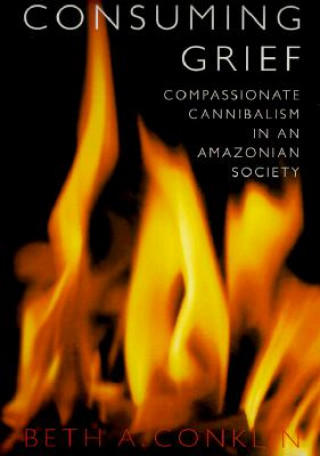
Mourning the death of loved ones and recovering from their loss are universal human experiences, yet the grieving process is as different between cultures as it is among individuals. As late as the 1960s, the Wari' Indians of the western Amazonian rainforest ate the roasted flesh of their dead as an expression of compassion for the deceased and for his or her close relatives. By removing and transforming the corpse, which embodied ties between the living and the dead and was a focus of grief for the family of the deceased, Wari' death rites helped the bereaved kin accept their loss and go on with their lives. Drawing on the recollections of Wari' elders who participated in consuming the dead, this book presents one of the richest, most authoritative ethnographic accounts of funerary cannibalism ever recorded. Beth Conklin explores Wari' conceptions of person, body, and spirit, as well as indigenous understandings of memory and emotion, to explain why the Wari' felt that corpses must be destroyed and why they preferred cannibalism over cremation. Her findings challenge many commonly held beliefs about cannibalism and show why, in Wari' terms, it was considered the most honorable and compassionate way of treating the dead. Beth A. Conklin is Associate Professor of Anthropology and Religious Studies at Vanderbilt University.


Sobre el libro
Inglés
Categorías

Regale este libro hoy
Es fácil
1 Añadir al carrito y elegir Entregar como regalo en el checkout 2 Le enviaremos un vale 3 El libro llegará a la dirección del destinatarioTambién puede interesarle












 /
Tapa blanda
36.49
€
/
Tapa blanda
36.49
€



 /
Tapa blanda
70.39
€
/
Tapa blanda
70.39
€


 /
Tapa dura
55.49
€
/
Tapa dura
55.49
€



¡Hola! Soy Libroamiko, tu asesor de libros.
¿Cómo puedo ayudarte?