
 Contacto
 Cómo comprar
Entrega
Guía de compras
 Inglés
 181 b
181 b
Política de devolución de 30 días
Clientes que también han comprado










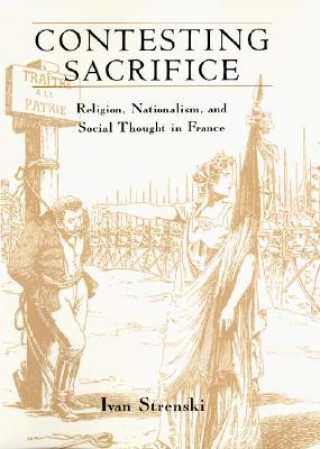
From the counter-reformation through the twentieth century, the notion of sacrifice has played a key role in French culture and nationalist politics. Ivan Strenski traces the history of sacrificial thought in France, starting from its origins in Roman Catholic theology. Throughout, he highlights not just the dominant discourse on sacrifice but also the many competing conceptions that contested it. Strenski suggests that the annihilating spirituality rooted in the Catholic model of Eucharistic sacrifice persuaded the judges in the Dreyfus Case to overlook or play down his possible innocence because a scapegoat was needed to expiate the sins of France and save its army from disgrace. Strenski also suggests that the French army's strategy in World War I, French fascism, and debates over public education and civic morals during the Third Republic all owe much to Catholic theology of sacrifice and Protestant reinterpretations of it. Pointing out that every major theorist of sacrifice is French, including Bataille, Durkheim, Girard, Hubert, and Mauss, Strenski argues that we cannot fully understand their work without first taking into account the deep roots of sacrificial thought in French history.


Sobre el libro
Inglés

Regale este libro hoy
Es fácil
1 Añadir al carrito y elegir Entregar como regalo en el checkout 2 Le enviaremos un vale 3 El libro llegará a la dirección del destinatarioTambién puede interesarle










¡Hola! Soy Libroamiko, tu asesor de libros.
¿Cómo puedo ayudarte?