
 Contacto
 Cómo comprar
Entrega
Guía de compras
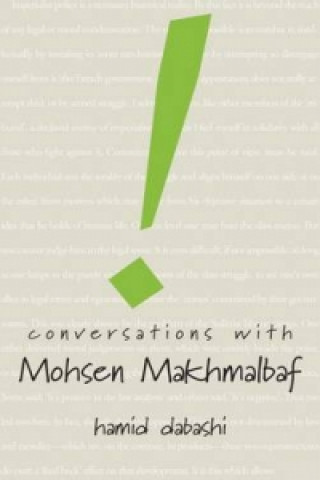
Conversations with Mohsen Makhmalbaf
 Inglés
 77 b
77 b
Hasta 30 días para devoluciones
Clientes que también han comprado













 /
/
 Tapa blanda
 29.49
€
29.49
€


 /
Tapa dura
38.69
€
/
Tapa dura
38.69
€





 /
Tapa blanda
19.09
€
/
Tapa blanda
19.09
€







Born in Tehran in 1957, film-maker Mohsen Ostad Ali Makhmalbaf grew up in the religiously and politically charged atmosphere of the 1960s, and the June 1963 uprising of Ayatollah Khomeini constitutes one of his earliest memories. In 1972 Makhmalbaf formed his own urban guerrilla group and two years later attacked a police officer, for which he was arrested and jailed. He remained incarcerated until 1978, when the revolutionary wave led by Ayatollah Khomeini freed him and launched his career as a writer and self-taught film maker. Since then, Makhmalbaf has gone on to make such highly admired films as "Gabbeh" and "The Silence". The three lengthy conversations collected here, between Makhmalbaf and leading Iranian film critic and scholar Hamid Dabashi, traverse the film-maker's experiences as a young radical, his critical stance regarding the current Islamic regime, and his fascination with films - both as product and as process. In this in-depth view of one of the most significant Middle Eastern film-makers of our time, Makhmalbaf reflects on the relationship between cinema and violence, tolerance, and social change, as well as the political and artistic importance of the autonomy of the film-maker.


Sobre el libro
Inglés

Regale este libro hoy
Es fácil
1 Añadir al carrito y elegir Entregar como regalo en el checkout 2 Le enviaremos un vale 3 El libro llegará a la dirección del destinatarioTambién puede interesarle








 /
Tapa blanda
15.39
€
/
Tapa blanda
15.39
€











¡Hola! Soy Libroamiko, tu asesor de libros.
¿Cómo puedo ayudarte?