
 Contacto
 Cómo comprar
Entrega
Guía de compras
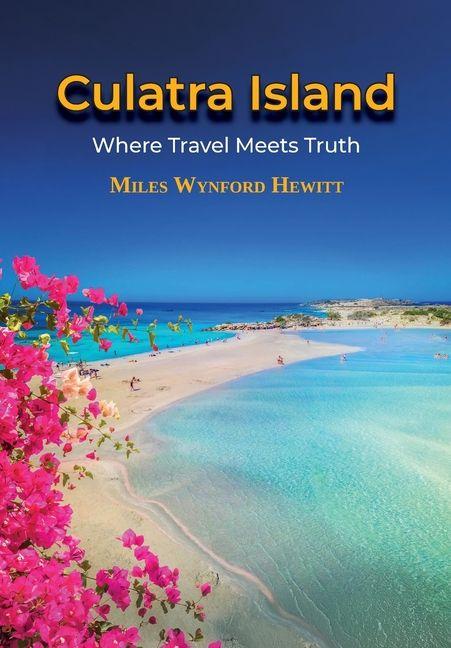
Culatra Island
 Inglés
 70 b
70 b
 Nuevo
Nuevo
Hasta 30 días para devoluciones
Clientes que también han comprado


Culatra Island marks a significant literary evolution for Miles Wynford Hewitt, whose earlier travel memoirs established him as a writer deeply attuned to culture and geography. With Culatra Island, Hewitt transforms those strengths into an ambitious work of autofiction that merges literary travel writing, eco-political thriller and philosophical reflection.
The novel follows Miles and Daki, environmental investigators as they uncover global food fraud networks linked to cocoa, coffee and honey supply chains. Beginning on the windswept Portuguese sands of Culatra Island, the narrative expands across Brazil and West Africa where Hewitt's descriptions of coffee fazendas and cocoa communities pulse with sensory richness and emotional authenticity.
That storyline becomes especially powerful in the Vietnam, Hong Kong and Shanghai sequences, where the enigmatic Mr. Liang emerges as one of the novel's most compelling figures. Rather than presenting organised crime through simplistic villainy, Hewitt portrays Liang as an intelligent financier trapped within larger economic systems. Their conversations about 'optimisation,' fraud and market 'stability' become philosophical debates about capitalism itself.
The Tibet chapters elevate the novel further still. Here the pace deliberately slows, allowing spirituality, silence and landscape to reshape the emotional core of the story. Hewitt's depiction of Lhasa, Tibetan homestays, butter tea rituals, prayer flags and the Potala Palace possesses the immersive detail of lived travel experience. The novel's climax unfolds not through explosive action but through moral transformation, uncertain alliances and a growing awareness that the natural world exists beyond humanity's desire to control it. The quiet final reflections on the Tibetan Plateau are among the book's most affecting passages.
What distinguishes Culatra Island from conventional thrillers is its confidence in atmosphere. Hewitt allows room for meals, conversations, humour, train journeys, music, local customs and emotional vulnerability. The relationship between Miles and Daki develops gradually and convincingly, while Meilin Tang introduces further emotional complexity and intellectual depth. Even moments of danger are counterbalanced by meditative stillness and cultural curiosity.
As autofiction, the novel succeeds because it never feels self-indulgent. Instead, the blurred boundary between memoir and invention creates emotional credibility. Miles often reads less like a fictional protagonist than a traveller attempting to understand the moral contradictions of the modern world while remaining emotionally open to beauty, friendship and transformation.
At its heart, Culatra Island asks what authenticity means - in food, in commerce, in travel and in human relationships. In doing so, Miles Wynford Hewitt has produced something rare: an eco-thriller that is intellectually ambitious, spiritually reflective and genuinely moving. The result is a novel that feels timely, cinematic and deeply humane.


Sobre el libro
Inglés

Regale este libro hoy
Es fácil
1 Añadir al carrito y elegir Entregar como regalo en el checkout 2 Le enviaremos un vale 3 El libro llegará a la dirección del destinatarioTambién puede interesarle



¡Hola! Soy Libroamiko, tu asesor de libros.
¿Cómo puedo ayudarte?