Contacto
 Cómo comprar
Entrega
Guía de compras
Dancing the New World
 Inglés
 158 b
158 b
Hasta 30 días para devoluciones
Clientes que también han comprado

 /
/
 Adobe ePub DRM
 104.69
€
104.69
€



 /
/
 Tapa blanda
43.29
€
Tapa blanda
43.29
€





















 /
Tapa blanda
13.89
€
/
Tapa blanda
13.89
€




 /
Tapa dura
37.69
€
/
Tapa dura
37.69
€


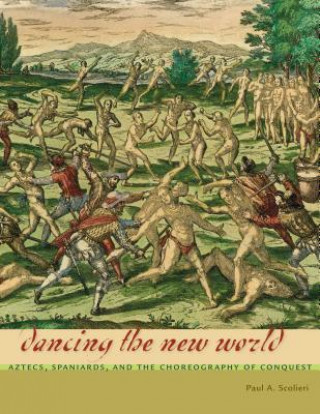
From Christopher Columbus to "first anthropologist" Friar Bernardino de Sahagun, fifteenth- and sixteenth-century explorers, conquistadors, clerics, scientists, and travelers wrote about the "Indian" dances they encountered throughout the New World. This was especially true of Spanish missionaries who intensively studied and documented native dances in an attempt to identify and eradicate the "idolatrous" behaviours of the Aztec, the largest indigenous empire in Mesoamerica at the time of its European discovery. Dancing the New World traces the transformation of the Aztec empire into a Spanish colony through written and visual representations of dance in colonial discourse - the vast constellation of chronicles, histories, letters, and travel books by Europeans in and about the New World. Scolieri analyzes how the chroniclers used the Indian dancing body to represent their own experiences of wonder and terror in the New World, as well as to justify, lament, and/or deny their role in its political, spiritual, and physical conquest. He also reveals that Spaniards and Aztecs shared an understanding that dance played an important role in the formation, maintenance, and representation of imperial power, and describes how Spaniards compelled Indians to perform dances that dramatized their own conquest, thereby transforming them into colonial subjects. Scolieri's pathfinding analysis of the vast colonial "dance archive" conclusively demonstrates that dance played a crucial role in one of the defining moments in modern history - the European colonization of the Americas.


Sobre el libro
Inglés

Regale este libro hoy
Es fácil
1 Añadir al carrito y elegir Entregar como regalo en el checkout 2 Le enviaremos un vale 3 El libro llegará a la dirección del destinatarioTambién puede interesarle
 /
Tapa dura
47.39
€
/
Tapa dura
47.39
€


















 /
Tapa blanda
9.79
€
/
Tapa blanda
9.79
€