
 Contacto
 Cómo comprar
Entrega
Guía de compras
Datapoint
 Inglés
 61 b
61 b
Hasta 30 días para devoluciones
Clientes que también han comprado









 /
/
 Tapa blanda
 60.89
€
60.89
€


 /
Tapa blanda
10.29
€
/
Tapa blanda
10.29
€







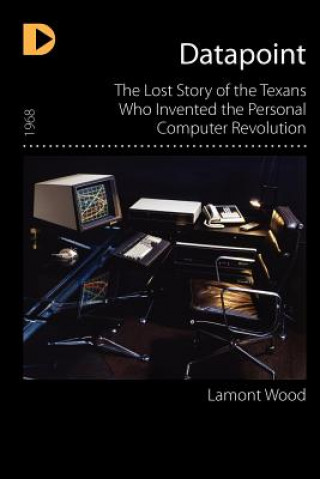
Forget Apple and IBM. For that matter forget Silicon Valley. The first personal computer, a self-contained unit with its own programmable processor, display, keyboard, internal memory, telephone interface, and mass storage of data was born in San Antonio TX. US Patent number 224,415 was filed November 27, 1970 for a machine that is the direct lineal ancestor to the PC as we know it today. The story begins in 1968, when two Texans, Phil Ray and Gus Roche, founded a firm called Computer Terminal Corporation. As the name implies their first product was a Datapoint 3300 computer terminal replacement for a mechanical Teletype. However, they knew all the while that the 3300 was only a way to get started, and it was cover for what their real intentions were - to create a programmable mass-produced desktop computer. They brought in Jack Frassanito, Vic Poor, Jonathan Schmidt, Harry Pyle and a team of designers, engineers and programmers to create the Datapoint 2200. In an attempt to reduce the size and power requirement of the computer it became apparent that the 2200 processor could be printed on a silicon chip. Datapoint approached Intel who rejected the concept as a "dumb idea" but were willing to try for a development contract. Intel belatedly came back with their chip but by then the Datapoint 2200 was already in production. Intel added the chip to its catalog designating it the 8008. A later upgrade, the 8080 formed the heart of the Altair and IMSI in the mid-seventies. With further development it was used in the first IBM PC-the PC revolution's chip dynasty. If you're using a PC, you're using a modernized Datapoint 2000.


Sobre el libro
Inglés

Regale este libro hoy
Es fácil
1 Añadir al carrito y elegir Entregar como regalo en el checkout 2 Le enviaremos un vale 3 El libro llegará a la dirección del destinatarioTambién puede interesarle
 /
Tapa blanda
47.49
€
/
Tapa blanda
47.49
€








 /
Tapa blanda
57.19
€
/
Tapa blanda
57.19
€



¡Hola! Soy Libroamiko, tu asesor de libros.
¿Cómo puedo ayudarte?