
 Contacto
 Cómo comprar
Entrega
Guía de compras
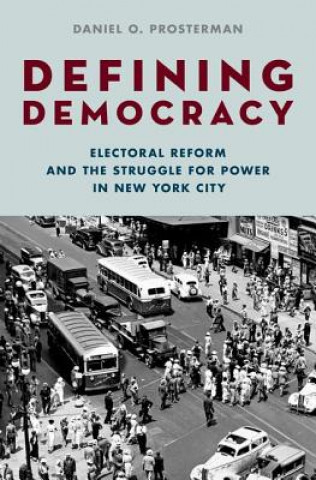
Defining Democracy
Electoral Reform and the Struggle for Power in New York City
 Inglés
 247 b
247 b
Política de devolución de 30 días
Clientes que también han comprado






In 1936, New Yorkers approved a radical change in local democracy. By a margin of nearly two to one, they replaced the corrupt board of aldermen with a city council elected via proportional representation (PR). Rather than traditional winner-take-all elections between two candidates representing two political parties, PR allowed voters to rank candidates on their ballots in order of preference and guaranteed victory to anyone polling more than 75,000 votes. This system enabled the election of the most diverse legislatures in New York's history, comprised of the city's first African American legislators and unprecedented numbers of women and third-party representatives. With their authority threatened, the Democratic and Republican parties allied against PR and the system's coalition of supporters. Following several unsuccessful repeal attempts led by the two major parties, the election of two Communists spurred a groundswell of red-baiting that set the stage for a battle that would define New York City governance for generations. Defining Democracy examines struggles over electoral reform in New York City to clarify our understanding of democracy's evolution in the United States and the world. In the midst of global crises concerning the purpose and power of government during the Great Depression, Second World War, and early Cold War, New Yorkers debated the meaning of self-rule in the United States. In a series of campaigns over the expansion of voting rights in New York City, activists challenged the boundaries of who could be elected, what interests could be represented, and ultimately what policies could be implemented at the local level.


Sobre el libro
Inglés
Categorías

Regale este libro hoy
Es fácil
1 Añadir al carrito y elegir Entregar como regalo en el checkout 2 Le enviaremos un vale 3 El libro llegará a la dirección del destinatarioTambién puede interesarle















¡Hola! Soy Libroamiko, tu asesor de libros.
¿Cómo puedo ayudarte?