
 Contacto
 Cómo comprar
Entrega
Guía de compras
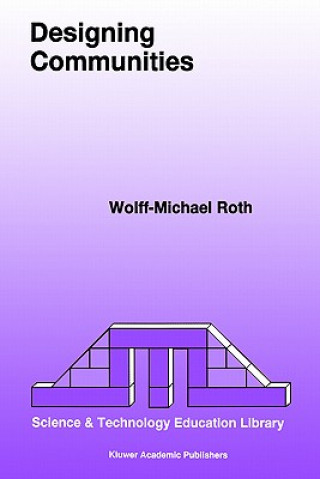
Designing Communities
 Inglés
 148 b
148 b
Hasta 30 días para devoluciones
Clientes que también han comprado



 /
/
 Tapa blanda
 70.89
€
70.89
€
 /
Tapa blanda
42.39
€
/
Tapa blanda
42.39
€
 /
Tapa blanda
109.59
€
/
Tapa blanda
109.59
€








The study described in this book arose in the contextof a three-year collective effort to bring about change in science teaching at Mountain Elementary School. 1 This opportunity emerged after I contacted the school with the idea to help teachers implement student-centered science teaching. At the same time, the teachers collectively had come to realize that their science teaching was not as exciting to children as it could be. They had recognized their own teaching as textbook-based with little use of the "hands-on" approaches prescribed by the provincial curriculum. At this point, the teachers and I decided that a joint project would serve our mutual goals: they wanted assistance in changing from textbook-based approaches to student-centered activities; I wanted to collect data on learning in student-centered knowledge producing classroom communities. I brought to this school my new understandings about classroom communi ties from several earlier studies conducted in a private high school (e. g. , Roth & Bowen, 1995; Roth & Roychoudhury, 1992). I wanted to help teachers create science learning environments in which children took charge of their learning, where children learned from more competent others by participating with them in ongoing activities, and teachers were responsible for setting up and maintaining a classroom community rather than for dissem inating information. After I had completed the data collection for the present study, I watched a documentary about an elementary school in the small French village of Moussac (Envoye Special, TV5, September 14, 1994).


Sobre el libro
Inglés

Regale este libro hoy
Es fácil
1 Añadir al carrito y elegir Entregar como regalo en el checkout 2 Le enviaremos un vale 3 El libro llegará a la dirección del destinatarioTambién puede interesarle
 /
Tapa dura
181.49
€
/
Tapa dura
181.49
€



 /
Tapa dura
53.79
€
/
Tapa dura
53.79
€







 /
Tapa blanda
31.09
€
/
Tapa blanda
31.09
€





¡Hola! Soy Libroamiko, tu asesor de libros.
¿Cómo puedo ayudarte?