
 Contacto
 Cómo comprar
Entrega
Guía de compras
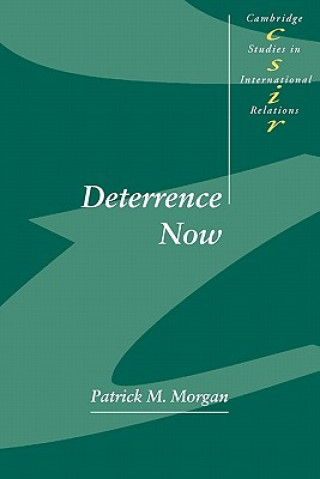
Deterrence Now
 Inglés
 137 b
137 b
Hasta 30 días para devoluciones
Clientes que también han comprado








 /
/
 Tapa blanda
 24.79
€
24.79
€



Patrick Morgan's authoritative study revisits the place of deterrence after the Cold War. By assessing and questioning the state of modern deterrence theory, particularly under conditions of nuclear proliferation, Morgan argues that there are basic flaws in the design of the theory that ultimately limits its utility. Given the probable patterns of future international politics, he suggests that greater attention be paid to 'general' deterrence as opposed to 'immediate' deterrence and to examining the deterrent capabilities of collective actors such as NATO and the UN Security Council. Finally he contends that the revolution in military affairs can promote less reliance on deterrence by retaliatory threats, support better collective management of peace and security and permit us to outgrow nuclear and other weapons of mass destruction. This new major work builds upon Patrick Morgan's landmark book, Deterrence (1983).


Sobre el libro
Inglés

Regale este libro hoy
Es fácil
1 Añadir al carrito y elegir Entregar como regalo en el checkout 2 Le enviaremos un vale 3 El libro llegará a la dirección del destinatarioTambién puede interesarle
 /
Tapa dura
220.69
€
/
Tapa dura
220.69
€

















 /
Tapa blanda
8.29
€
/
Tapa blanda
8.29
€


¡Hola! Soy Libroamiko, tu asesor de libros.
¿Cómo puedo ayudarte?