
 Contacto
 Cómo comprar
Entrega
Guía de compras
 Inglés
 78 b
78 b
Política de devolución de 30 días
Clientes que también han comprado








 /
/
 Tapa blanda
 39.39
€
39.39
€






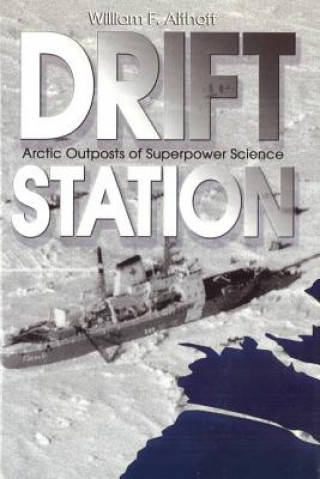
Closed to conventional passage, the Arctic Ocean and peripheral seas have nevertheless known European explorers since the sixteenth century. Systematic observation, however, dates only from the last years of the nineteenth century, with the epic drift of Fridtjof Nansen's ice ship Fram (1893-1896), the first scientific expedition of the modern era. Twentieth-century technology - the icebreaker, radio transmission, nuclear power, and aircraft - opened the Arctic for survey, basic research, and observation. World War II saw the inhospitable circumpolar Arctic transformed into a theater of military operations. The Cold War and the missile age saw governments staking further claims, because only a relatively short arc of maritime boreal waste separated North America and Eurasia. The complex interactions of air, ice, and water that drive circumpolar systems also serve as engines of oceanic and atmospheric circulation. As a result, meteorology, oceanography, geophysics, and many other areas of scientific research in the region soon became acutely linked to the economic, political, and particularly the politico-military interests of the Soviet Union, the United States, Canada, and the oth


Sobre el libro
Inglés
Categorías

Regale este libro hoy
Es fácil
1 Añadir al carrito y elegir Entregar como regalo en el checkout 2 Le enviaremos un vale 3 El libro llegará a la dirección del destinatarioTambién puede interesarle



 /
Tapa blanda
29.49
€
/
Tapa blanda
29.49
€





 /
Tapa blanda
20.09
€
/
Tapa blanda
20.09
€












 /
Tapa blanda
14.99
€
/
Tapa blanda
14.99
€
¡Hola! Soy Libroamiko, tu asesor de libros.
¿Cómo puedo ayudarte?