Contacto
 Cómo comprar
Entrega
Guía de compras
 Inglés
 355 b
355 b
 Próximamente
 Nuevo
Nuevo
 Lanzamiento 09. 08. 2026
Política de devolución de 30 días
Clientes que también han comprado







 /
/
 Tapa blanda
 78.59
€
78.59
€








 /
Tapa blanda
29.59
€
/
Tapa blanda
29.59
€


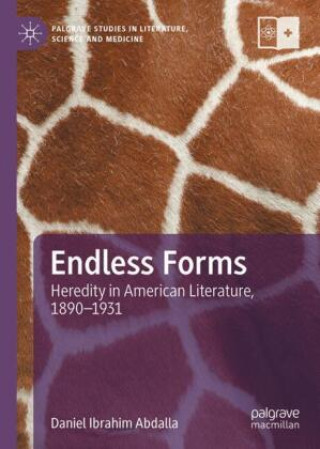
When Charles Darwin proposed his theory of evolution in 1859, one claim proved especially unsettling: traits acquired through learning or habit could not be passed from one generation to the next. Long before this view was scientifically confirmed, the possibility that heredity might be random, contingent, and resistant to improvement sent shockwaves through scientific and cultural life.
Focusing on four major American writers of the late-nineteenth and early-twentieth centuries Henry James, Elizabeth Robins, Edith Wharton, and W.E.B. Du Bois Heredity in Amercian Literary Culture argues that theatre was a primary cultural site in which ideas about heredity were rigorously worked through. Drawing on extensive archival research, the book recovers these writers critically neglected dramatic works and situates them within a transnational theatrical culture shaped by realist and naturalist drama by figures such as Émile Zola, Henrik Ibsen, and George Bernard Shaw. In this dramatic tradition, heredity was not merely a theme but an explanatory framework: a way of accounting for character, social failure, and historical continuity through bodies, families, and descent.
Close attention to theatrical form its emphasis on bodies, relationality, performance, material objects, and environments reveals how these American writers encountered determinist models of heredity at close range and, in their own neglected works, reoriented evolutionary thinking toward agency, institutional reform, and environmental constraint. Heredity in Amercian Literary Culture shows that modern drama was not peripheral to literary modernism but formative of it, shaping prose fiction s movement from inherited character to self-fashioning, from biological descent to environment, and from narratives of progress or decline to open-ended, contingent evolution.


Sobre el libro
Inglés

Regale este libro hoy
Es fácil
1 Añadir al carrito y elegir Entregar como regalo en el checkout 2 Le enviaremos un vale 3 El libro llegará a la dirección del destinatarioTambién puede interesarle









 /
Tapa blanda
12.09
€
/
Tapa blanda
12.09
€


 /
Tapa dura
55.19
€
/
Tapa dura
55.19
€