
 Contacto
 Cómo comprar
Entrega
Guía de compras
Epistemic Luck
 Inglés
 335 b
335 b
Hasta 30 días para devoluciones
Clientes que también han comprado









 /
/
 Tapa blanda
 16.09
€
16.09
€



 /
Tapa blanda
6.39
€
/
Tapa blanda
6.39
€

 /
Tapa blanda
41.89
€
/
Tapa blanda
41.89
€



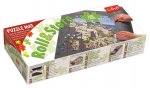


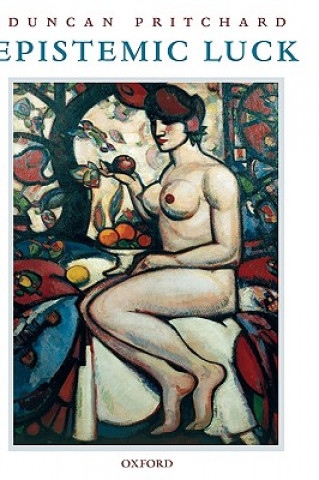
One of the key supposed 'platitudes' of contemporary epistemology is the claim that knowledge excludes luck. One can see the attraction of such a claim, in that knowledge is something that one can take credit for - it is an achievement of sorts - and yet luck undermines genuine achievement. The problem, however, is that luck seems to be an all-pervasive feature of our epistemic enterprises, which tempts us to think that either scepticism is true and that we don't know very much, or else that luck is compatible with knowledge after all. In this book, Duncan Pritchard argues that we do not need to choose between these two austere alternatives, since a closer examination of what is involved in the notion of epistemic luck reveals varieties of luck that are compatible with knowledge possession and varieties that aren't. Moreover, Pritchard shows that a more nuanced understanding of the relationship between luck and knowledge can cast light on many of the most central topics in contemporary epistemology.These topics include: the externalism/internalism distinction; virtue epistemology; the problem of scepticism; metaepistemological scepticism; modal epistemology; and the problem of moral luck. All epistemologists will need to come to terms with Pritchard's original and incisive contribution.


Sobre el libro
Inglés

Regale este libro hoy
Es fácil
1 Añadir al carrito y elegir Entregar como regalo en el checkout 2 Le enviaremos un vale 3 El libro llegará a la dirección del destinatarioTambién puede interesarle
 /
Tapa blanda
17.19
€
/
Tapa blanda
17.19
€



 /
Tapa blanda
19.99
€
/
Tapa blanda
19.99
€



 /
Tapa blanda
70.59
€
/
Tapa blanda
70.59
€




 /
Tapa blanda
39.39
€
/
Tapa blanda
39.39
€
 /
Tapa dura
148.39
€
/
Tapa dura
148.39
€


¡Hola! Soy Libroamiko, tu asesor de libros.
¿Cómo puedo ayudarte?