
 Contacto
 Cómo comprar
Entrega
Guía de compras
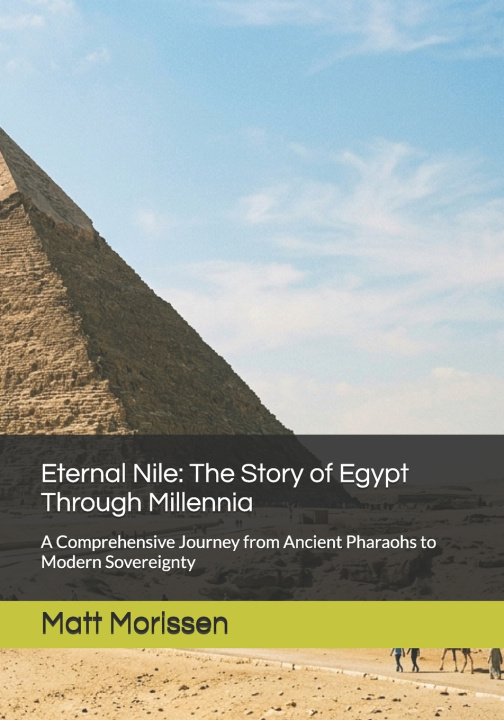
Eternal Nile
The Story of Egypt Through Millennia: A Comprehensive Journey from Ancient Pharaohs to Modern Sovereignty
 Inglés
 106 b
106 b
 Nuevo
Nuevo
Hasta 30 días para devoluciones
Clientes que también han comprado











Eternal Nile: The Story of Egypt Through Millennia is an expansive historical narrative that chronicles Egypt's evolution from prehistoric settlements to its modern-day status as a sovereign nation. Authored by Matt Morissen, the book explores the "intimate bond" between the Egyptian people and the Nile River, which serves as both the stage and the "silent protagonist" of the country's multi-millennial saga.
The book is structured into 14 chapters, transitioning from the archaeological mysteries of the Neolithic era and the architectural grandeur of the Old Kingdom to the complexities of foreign conquests (Hyksos, Romans, Ottomans) and modern nationalist movements.
Key Thematic Pillars
The Nile as a Civilizational Foundation
The text emphasizes that Egypt's history is impossible to understand without the river. Its predictable flood cycles dictated agricultural life, inspired religious cosmologies, and allowed for the transition from nomadic hunter-gatherer bands to the world's first settled, complex societies.
Divine Kingship and Ma'at
A central theme is the evolution of power. The book details how early rulers (beginning with the legendary King Narmer) unified Upper and Lower Egypt by sacralizing their authority. The Pharaoh was viewed not just as a politician, but as the living embodiment of Ma'at-the cosmic order and justice required to sustain the universe.
Engineering and Spirituality
The "Age of Pyramid Builders" (Chapter 2) is presented as the peak of Egypt's interdisciplinary sophistication. The pyramids are described as more than tombs; they were "three-dimensional scripts" and "gateways to immortality" that combined advanced mathematics, astronomy, and deep spiritual yearning.
Cultural Resilience and Synthesis
Morissen argues that Egypt's story is one of "continuity and transformation." Despite waves of foreign influence-including the Hellenistic fusion under the Ptolemies and the Islamic conquests-Egypt demonstrated a unique ability to absorb and reinvent itself without losing its "soul".


Sobre el libro
Inglés
Categorías

Regale este libro hoy
Es fácil
1 Añadir al carrito y elegir Entregar como regalo en el checkout 2 Le enviaremos un vale 3 El libro llegará a la dirección del destinatarioTambién puede interesarle




 /
/
 Tapa blanda
 180.99
€
180.99
€






 /
Tapa blanda
16.39
€
/
Tapa blanda
16.39
€



 /
Tapa blanda
39.69
€
/
Tapa blanda
39.69
€


¡Hola! Soy Libroamiko, tu asesor de libros.
¿Cómo puedo ayudarte?