
 Contacto
 Cómo comprar
Entrega
Guía de compras
Explaining the Normative
 Inglés
 177 b
177 b
Hasta 30 días para devoluciones
Clientes que también han comprado






 /
/
 Tapa blanda
 25.69
€
25.69
€




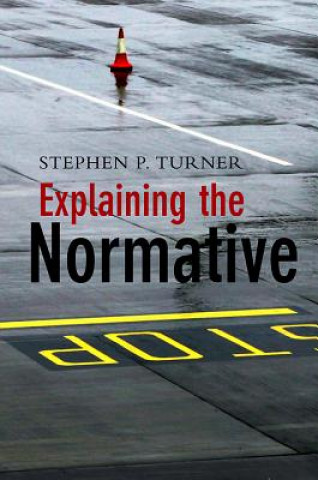
Normativity is what gives reasons their force, makes words meaningful, and makes rules and laws binding. It is present whenever we use such terms as 'correct,' 'ought,' 'must,' and the language of obligation, responsibility, and logical compulsion. Yet normativists, the philosophers committed to this idea, admit that the idea of a non-causal normative realm and a body of normative objects is spooky. Explaining the Normative is the first systematic, historically grounded critique of normativism. It identifies the standard normativist pattern of argument, and shows how this pattern depends on circularities, assumptions about the unique correctness of preferred descriptions, problematic transcendental arguments, and regress arguments that end in mysteries. The book considers in detail a paradigm case: legal normativity as constructed by Hans Kelsen. This case exemplifies the problems with normativist arguments. But it also shows how normativism was constructed as an alternative to ordinary social science explanation. The normativist argument is that social science explanations themselves are forced to rely on normative conceptsNminimally, on normative rationality and on a normative view of 'concepts' themselves. Empathic understanding of the reasoning and meanings of others, however, can solve the regress problems about meaning and rationality that are central to the appeal of normativism. This account has no need for a parallel normative world, and has a surprising and revealing lineage in the history of philosophy, as well as a basis in neuroscience.


Sobre el libro
Inglés
Categorías

Regale este libro hoy
Es fácil
1 Añadir al carrito y elegir Entregar como regalo en el checkout 2 Le enviaremos un vale 3 El libro llegará a la dirección del destinatarioTambién puede interesarle


 /
Tapa dura
41.59
€
/
Tapa dura
41.59
€





















¡Hola! Soy Libroamiko, tu asesor de libros.
¿Cómo puedo ayudarte?