
 Contacto
 Cómo comprar
Entrega
Guía de compras
 Inglés
 380 b
380 b
Hasta 30 días para devoluciones
Clientes que también han comprado


 /
/
 Tapa blanda
 67.89
€
67.89
€
 /
Tapa blanda
42.39
€
/
Tapa blanda
42.39
€


 /
Tapa blanda
15.29
€
/
Tapa blanda
15.29
€






 /
Tapa dura
32.69
€
/
Tapa dura
32.69
€






 /
Tapa blanda
14.99
€
/
Tapa blanda
14.99
€









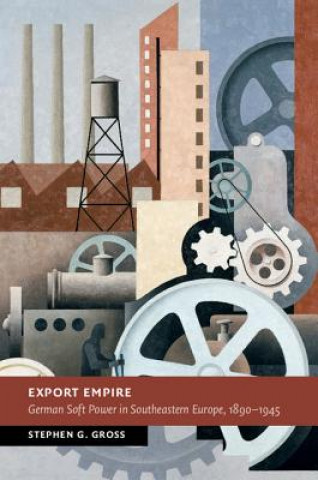
German imperialism in Europe evokes images of military aggression and ethnic cleansing. Yet, even under the Third Reich, Germans deployed more subtle forms of influence that can be called soft power or informal imperialism. Stephen G. Gross examines how, between 1918 and 1941, German businessmen and academics turned their nation - an economic wreck after World War I - into the single largest trading partner with the Balkan states, their primary source for development aid and their diplomatic patron. Building on traditions from the 1890s and working through transnational trade fairs, chambers of commerce, educational exchange programmes and development projects, Germans collaborated with Croatians, Serbians and Romanians to create a continental bloc, and to exclude Jews from commerce. By gaining access to critical resources during a global depression, the proponents of soft power enabled Hitler to militarise the German economy and helped make the Third Reich's territorial conquests after 1939 economically possible.


Sobre el libro
Inglés

Regale este libro hoy
Es fácil
1 Añadir al carrito y elegir Entregar como regalo en el checkout 2 Le enviaremos un vale 3 El libro llegará a la dirección del destinatarioTambién puede interesarle














¡Hola! Soy Libroamiko, tu asesor de libros.
¿Cómo puedo ayudarte?