Contacto
 Cómo comprar
Entrega
Guía de compras
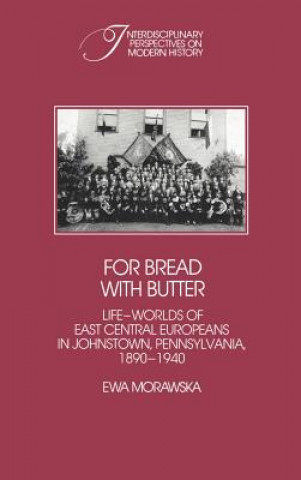
For Bread with Butter
The Life-Worlds of East Central Europeans in Johnstown, Pennsylvania, 1890-1940
 Inglés
 442 b
442 b
Política de devolución de 30 días
Clientes que también han comprado




















 /
/
 Tapa blanda
 49.19
€
49.19
€


Fifty years ago, enactment of the Wagner National Labor Relations Act gave American organized labour what it has regarded ever since as one of its greatest assets: a legislative guarantee of the right of workers to organize and bargain collectively. Yet although the Wagner Act's guarantees remain substantially unaltered, organized labour in America today is in deep decline. Addressing this apparent paradox, Christopher Tomlins offers here a critical examination of the impact of the National Labor Relations Act on American unions. By studying the intentions and goals of policy makers in the context of the development of labour law from the late nineteenth century, and by looking carefully at the course of labour history since the act's passage, Dr Tomlins shows how public policy has been shaped to confine labour's role in the American economy, and that many of the unions' problems stem from the laws which purport to protect them.


Sobre el libro
Inglés
Categorías

Regale este libro hoy
Es fácil
1 Añadir al carrito y elegir Entregar como regalo en el checkout 2 Le enviaremos un vale 3 El libro llegará a la dirección del destinatarioTambién puede interesarle





 /
Tapa blanda
34.09
€
/
Tapa blanda
34.09
€