
 Contacto
 Cómo comprar
Entrega
Guía de compras
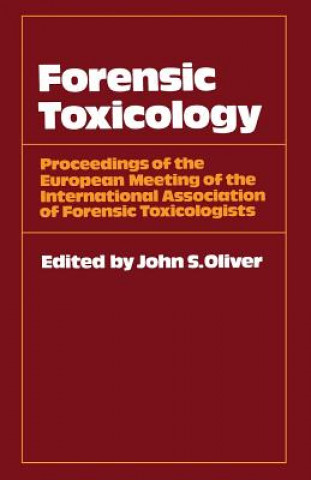
Forensic Toxicology
Proceedings of the European Meeting of the International Association of Forensic Toxicologists
 Inglés
 139 b
139 b
Hasta 30 días para devoluciones
Clientes que también han comprado









 /
/
 Tapa blanda
 25.29
€
25.29
€






 /
Tapa blanda
17.89
€
/
Tapa blanda
17.89
€
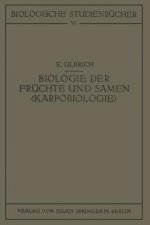

Forensic toxicology has progressed rapidly and diversified greatly in recent years. The members of the International Association of Forensic Toxicologists provide a valuable service through the association's bulletin. In its pages members hear of new poisons as they are encountered and the analytical techniques used to deal with them. There is a wealth of information in the form of case reports which is used to assist with the interpretation of the results. Each year the members have the opportunity of meeting in Europe. In 1979 the chosen venue was the University of Glasgow and the meeting was hosted by the Department of Forensic Medicine and Science. The department was established by Royal Charter in 1839 within a few years of the beginning of the modern approach to toxicology. In those early years the function of the department was to teach forensic medicine and toxicology. Today the department has become a recognised centre for the teaching of forensic medicine. The toxicology section has expanded greatly to provide the best forensic and environmental toxicology in Scotland. Inorganic analytical facilities are available for the investigation of metallic poisons by atomic absorption spectrometry, neutron activation analysis, X-ray fluorescence and anodic stripping voltametry. Organic analytical toxicology is pursued using gas chromatography, high performance liquid chromatography, immunoassays, and gas chromatography mass spectrometry. Apart from the normal research and routine investigations of a toxicological laboratory the department specialises in the investigation of fire related deaths, solvent abuse (glue sniffing) and trace element studies in human subjects.


Sobre el libro
Inglés
Categorías

Regale este libro hoy
Es fácil
1 Añadir al carrito y elegir Entregar como regalo en el checkout 2 Le enviaremos un vale 3 El libro llegará a la dirección del destinatarioTambién puede interesarle




 /
Tapa blanda
225.39
€
/
Tapa blanda
225.39
€
















¡Hola! Soy Libroamiko, tu asesor de libros.
¿Cómo puedo ayudarte?