
 Contacto
 Cómo comprar
Entrega
Guía de compras
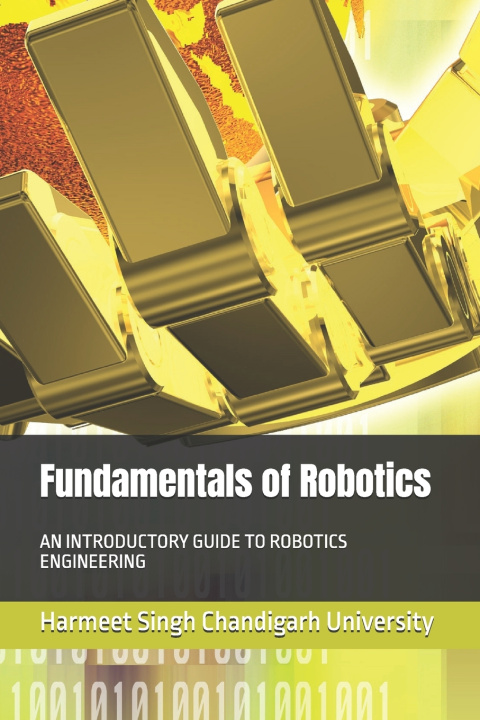
Fundamentals of Robotics
AN INTRODUCTORY GUIDE TO ROBOTICS ENGINEERING
 Inglés
 31 b
31 b
Política de devolución de 30 días

As we stand on the brink of a new era defined by rapid technological advancement, robotics has emerged as a transformative force across various sectors. From manufacturing to healthcare, agriculture to logistics, the integration of robotics is reshaping industries and redefining the nature of work and daily life. This book, "Fundamentals of Robotics," is designed to serve as a comprehensive guide for anyone interested in understanding the principles, applications, and ethical considerations surrounding this exciting field.
The journey into robotics begins with the fundamental concepts that underpin the technology. In the pages that follow, readers will explore the key components of robotic systems, including sensors, actuators, and control algorithms. We delve into the programming languages and frameworks that empower engineers and developers to bring robots to life, as well as the cutting-edge advancements that are driving the field forward, such as artificial intelligence and machine learning.
Yet, the conversation around robotics extends far beyond technical specifications. As robots become increasingly autonomous and integrated into our lives, important ethical questions arise. What responsibilities do developers have to ensure safety and reliability? How can we navigate the challenges of job displacement and economic impact? This book addresses these concerns, fostering a nuanced understanding of the implications of robotics in society.
The target audience for this book ranges from students and educators to industry professionals and curious enthusiasts. Whether you are embarking on a career in robotics or simply seeking to understand the technology that is shaping our future, this book aims to provide a solid foundation. Each chapter is structured to build upon the last, guiding readers through the complexities of the field with clarity and insight.
I would like to express my gratitude to the many researchers, educators, and practitioners who have contributed to the development of robotics. Their dedication and innovation inspire the next generation of engineers and thinkers. I hope that this book not only educates but also ignites a passion for exploration and discovery in the realm of robotics.
As we navigate the opportunities and challenges presented by this dynamic field, may "Fundamentals of Robotics" serve as a valuable resource and a source of inspiration for all who seek to understand and contribute to the future of robotics.


Sobre el libro
Inglés
