
 Contacto
 Cómo comprar
Entrega
Guía de compras
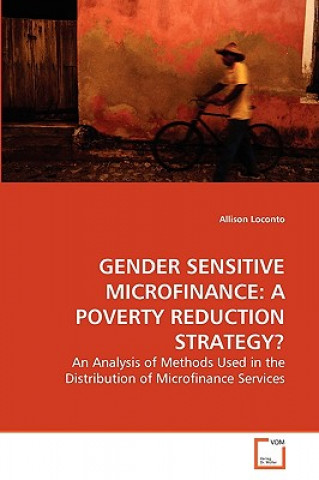
Gender Sensitive Microfinance
 Inglés
 130 b
130 b
Hasta 30 días para devoluciones
Clientes que también han comprado










 /
/
 Tapa blanda
 28.19
€
28.19
€










Since microcredit emerged as a favored program by donors in the 1990s, there have been numerous claims about its capacity to alleviate poverty and empower women. This shift in development policy thinking came about as poor clients demonstrated high repayment rates of small loans. It was noted that women had higher repayment rates than men and thus a common practice began of lending primarily to women. Many claimed that this economic empowerment would lead to wider social and political empowerment of women. This book examines these claims by placing them within the context of development policy paradigms. Through examples and case studies the potential microfinance has to reduce poverty is explored. Its effects are deemed minimal without a complete package of services tailored to the needs of the individual client. The issue of self-sustainability and the dependency on donor subsidies is also addressed as it illustrates a dualism is often seen in microfinance programs the goal of achieving financial sustainability versus the social objectives of many mission statements. This book would be useful for an undergraduate class in development policy or to development practitioners.


Sobre el libro
Inglés

Regale este libro hoy
Es fácil
1 Añadir al carrito y elegir Entregar como regalo en el checkout 2 Le enviaremos un vale 3 El libro llegará a la dirección del destinatarioTambién puede interesarle



























¡Hola! Soy Libroamiko, tu asesor de libros.
¿Cómo puedo ayudarte?